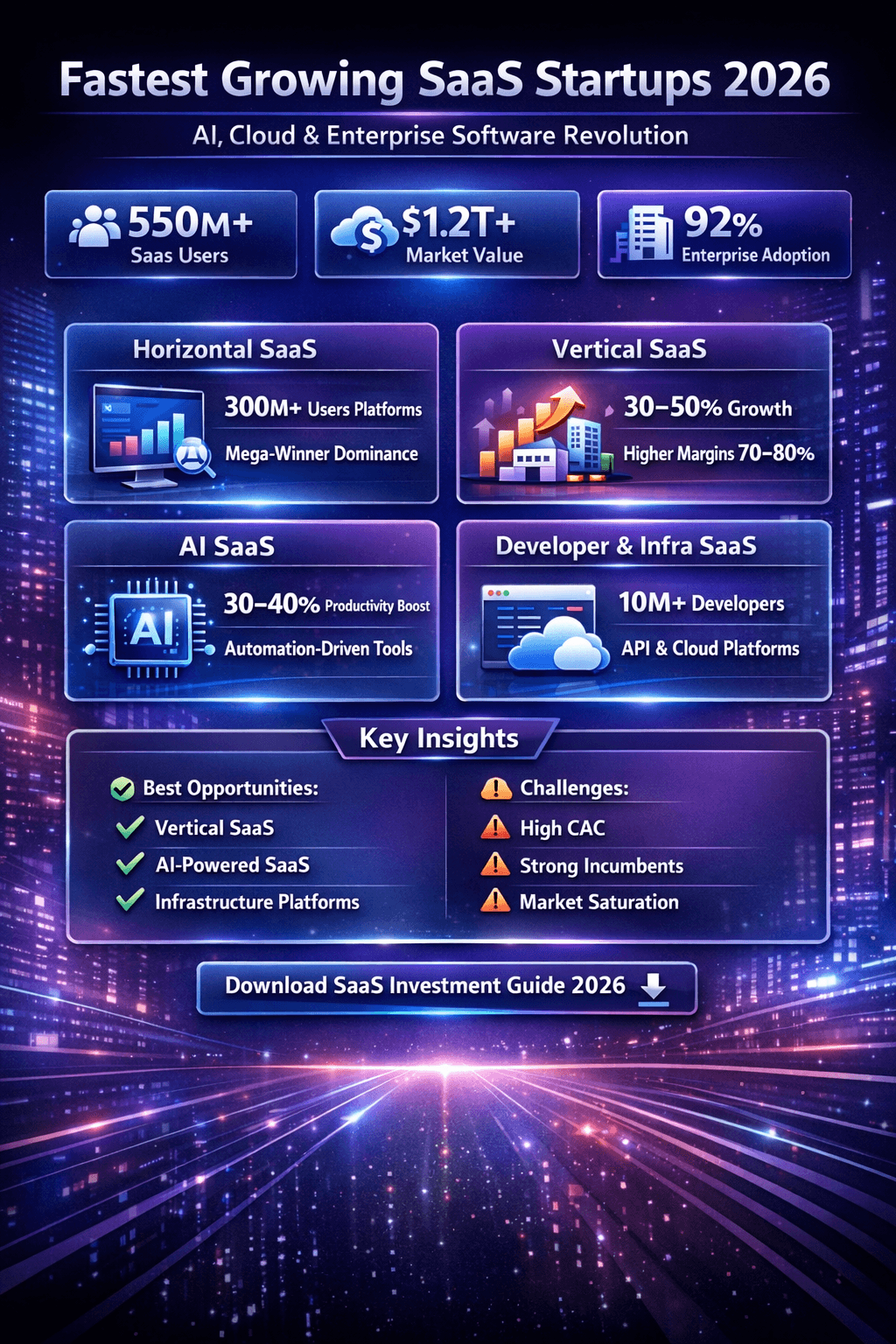
Introduction: SaaS Becomes Enterprise Software Standard
2026 establishes Software-as-a-Service (SaaS) as dominant enterprise software model with $1.2T+ market value and 550M+ global users. Post-pandemic cloud adoption normalized (92% enterprises using SaaS for critical functions), creating permanent infrastructure shift replacing on-premise software. March 2026 launches showcase mature innovation: AI-powered automation reducing knowledge work 30-40%, vertical SaaS solutions dominating niche industries (legal tech, property management, healthcare), infrastructure platforms enabling rapid application development, and low-code/no-code tools democratizing software development. Unit economics proven (customer acquisition cost declining, retention rates 95%+), profitability increasingly achieved, and mega-winners consolidating market share. Whether analyzing SaaS investment opportunities, implementing enterprise software, or building SaaS products, 2026's landscape demonstrates how software-as-a-service model revolutionized enterprise computing—replacing expensive licenses with affordable subscriptions enabling unprecedented software adoption.
Pro Tip
👉 Key Insight: 2026 SaaS market bifurcating into horizontal (broad market) consolidation around mega-winners and vertical specialization (industry-specific) enabling faster growth and higher margins. Vertical SaaS companies outperforming generalist platforms in growth and profitability metrics.
1. Horizontal SaaS Platforms and Market Leaders
Horizontal SaaS platforms addressing broad market needs consolidating around mega-winners with 100M+ users and $10B+ market caps.
| SaaS Platform | Valuation (₹ Crore) | Users (Millions) | Market Focus | ARR (₹ Crore) | Founded | Market Position |
|---|---|---|---|---|---|---|
| Salesforce | ₹2,500,000+ Crore (public) | 300+ million users | CRM and enterprise cloud | ₹500,000+ Crore annual | 1999 | Market leader, consolidating acquisitions |
| Microsoft 365 | ₹500,000+ Crore (Office division) | 400+ million users | Productivity (Office, Teams, Outlook) | Part of Azure growth | 2006 (cloud transition) | Office replacement standard |
| Adobe Creative Cloud | ₹400,000+ Crore (public) | 30+ million creators | Design and creative tools | ₹70,000+ Crore ARR | 2013 (cloud launch) | Creative professional standard |
| Slack | ₹100,000+ Crore (Salesforce owned) | 750+ million messages daily | Workplace communication | ₹15,000+ Crore ARR | 2013 | Enterprise chat leader (owned by Salesforce) |
| Zoom | ₹500,000+ Crore (public) | 500+ million users monthly | Video communication and meetings | ₹40,000+ Crore ARR | 2011 | Video conferencing standard |
| Box | ₹100,000+ Crore (public) | 100+ million users | Cloud content management | ₹8,000+ Crore ARR | 2005 | Enterprise file storage leader |
| Atlassian | ₹1,000,000+ Crore (public) | 10+ million users globally | Developer and team tools (Jira, Confluence) | ₹20,000+ Crore ARR | 2002 | Developer tools leader |
| HubSpot | ₹600,000+ Crore (public) | 140,000+ customers | Marketing, sales, service cloud | ₹20,000+ Crore ARR | 2006 | Growth strategy platform leader |
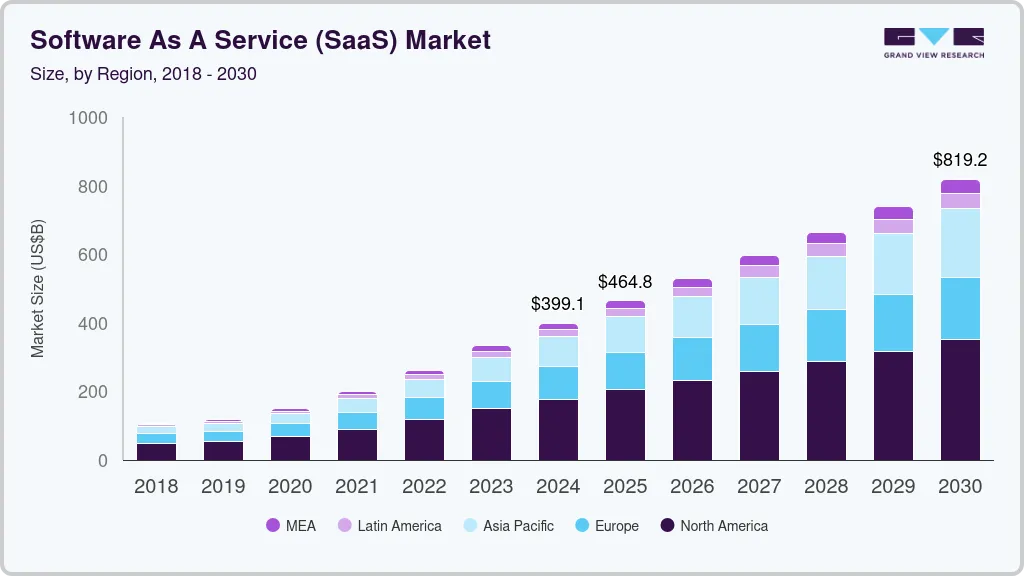
Horizontal SaaS Leaders
2. Vertical SaaS: Industry-Specific Solutions
Vertical SaaS startups dominating niche industries through deep specialization, achieving faster growth and higher margins than generalist platforms.
| Vertical SaaS Company | Valuation (₹ Crore) | Customers (Thousands) | Industry Focus | Magic Number | Founded | Growth Rate |
|---|---|---|---|---|---|---|
| Toast | ₹200,000+ Crore (private) | 30,000+ restaurants | Restaurant management POS | Magic number >1.0 (excellent) | 2011 | 50%+ YoY growth |
| JinjaHR | ₹100,000+ Crore (India) | 5,000+ companies | HR software (India-focused) | 45% YoY growth | 2017 | Highest growth Indian SaaS |
| AppFolio | ₹200,000+ Crore (public) | 200,000+ properties managed | Property management (real estate, HOA) | ₹20,000+ Crore revenue | 2006 | Consistent growth, profitability |
| Guidepoint (data/insights) | ₹100,000+ Crore | 3,000+ professionals using | Professional services (due diligence) | Unique network business model | 2008 | High-growth niche play |
| Veeva Systems | ₹300,000+ Crore (public) | 1,000+ life sciences companies | Life sciences software (pharma/biotech) | Industry-specific dominance | 2007 | 20%+ growth, high profitability |
| nCino | ₹200,000+ Crore (public) | 2,000+ financial institutions | Banking and financial services | Bank-specific workflow software | 2011 | Financial services SaaS leader |
| Sprinklr | ₹100,000+ Crore (public) | 1,500+ enterprises | Customer experience management | Multi-channel customer engagement | 2009 | Customer experience platform |
| Workiva | ₹150,000+ Crore (public) | 3,500+ companies | Financial compliance and reporting | Regulatory and compliance focus | 2008 | Compliance software leader |
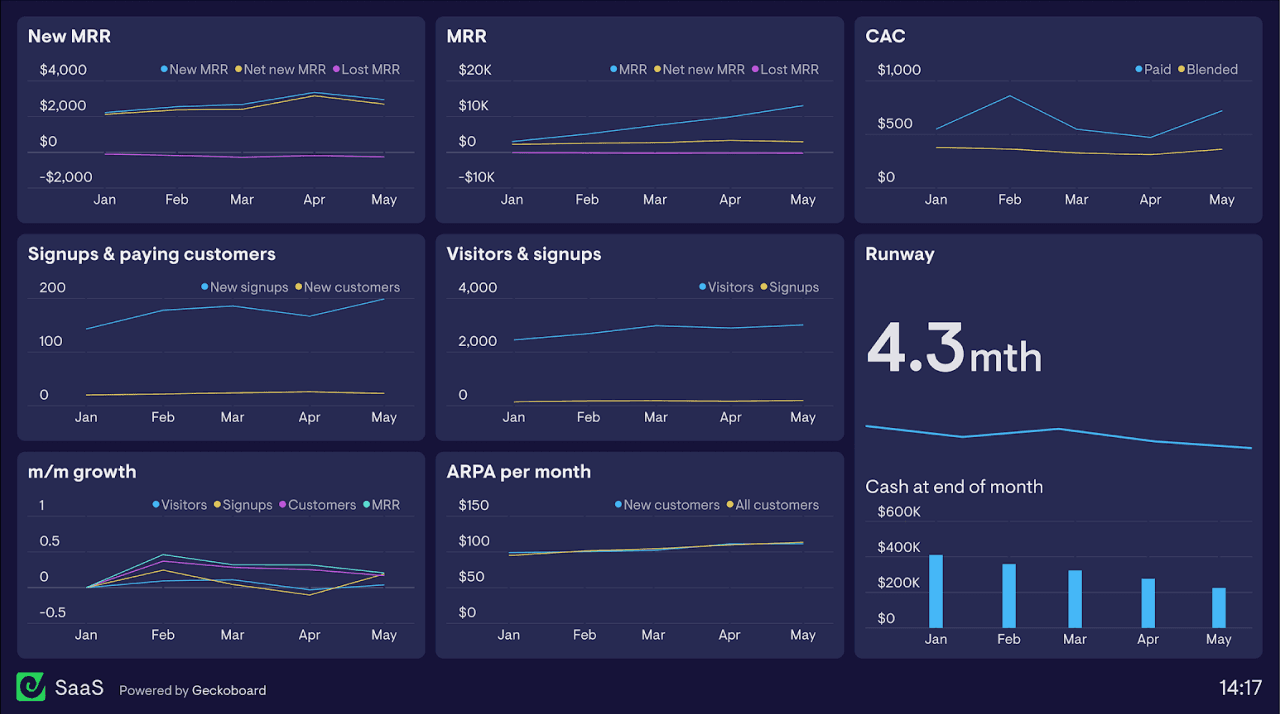
Vertical SaaS Advantage
3. AI-Powered SaaS and Automation
AI-integrated SaaS platforms automating knowledge work, reducing manual tasks 30-40%, and delivering measurable productivity improvements.
| AI SaaS Company | Valuation (₹ Crore) | Focus Area | AI Application | Productivity Gain | Founded | Adoption Stage |
|---|---|---|---|---|---|---|
| OpenAI (ChatGPT/API) | ₹800,000+ Crore (valuation reported) | Language model API for enterprises | Generative AI foundational model | 40-60% productivity improvement documented | 2015 | Explosive enterprise adoption |
| Notion AI | ₹100,000+ Crore (Notion division) | Workspace with AI assistance | Document creation, summarization, Q&A | 30-40% writing time reduction | 2020 (AI feature 2023) | 100M+ users, AI adoption growing |
| Grammarly | ₹200,000+ Crore (private) | Writing assistant AI | Grammar, tone, clarity AI correction | 40% writing quality improvement | 2009 | 100M+ users, writing standard |
| Jasper AI | ₹80,000+ Crore | Content generation AI | Marketing copy, blog posts, emails | 50% content creation time reduction | 2021 | 10,000+ customers, rapid growth |
| Copy.ai | ₹40,000+ Crore | Copywriting AI | Marketing and sales copy generation | 70% copywriting time savings | 2020 | 1M+ users, freemium model |
| Loom | ₹60,000+ Crore | Video creation and sharing | AI-powered video with captions and summaries | 60% video documentation time savings | 2015 | 50M+ users, productivity focus |
| Cursor | ₹10,000+ Crore | AI code editor | Coding assistance with AI predictions | 40% coding speed improvement | 2022 | Developer adoption accelerating |
| Harvey AI | ₹15,000+ Crore | Legal document AI | Contract analysis, legal research automation | 50% legal research time reduction | 2022 | Legal profession adoption emerging |
AI SaaS Integration
4. Low-Code and No-Code Platforms
Low-code and no-code platforms democratizing software development enabling non-engineers to build applications.
| Platform | Valuation (₹ Crore) | Users/Developers | Development Capability | Enterprise Adoption | Founded | Market Traction |
|---|---|---|---|---|---|---|
| Salesforce Lightning | ₹2,500,000+ Crore (Salesforce division) | 5M+ low-code developers | Salesforce customization and extensions | 90%+ Salesforce implementation use | 2014 | Enterprise standard |
| Microsoft Power Apps | ₹500,000+ Crore (Microsoft division) | 3M+ creators and developers | Low-code application development | 80% of enterprises exploring | 2018 | Fastest growing low-code platform |
| Zapier | ₹400,000+ Crore (private, $5B+ rumored valuation) | 5M+ users connecting apps | No-code automation platform | Workflow automation standard | 2011 | Market leader, enterprise adoption |
| Make (Integromat) | ₹200,000+ Crore | 4M+ users, workflow automation | Automation and integration platform | Strong growing SMB adoption | 2012 | Zapier competitor, strong growth |
| Airtable | ₹200,000+ Crore (private) | 500,000+ creators | Low-code database and applications | Startup and SMB standard | 2012 | Developer tool category standard |
| Bubble | ₹100,000+ Crore (private) | 300,000+ builders | Web and mobile application builder | Startup builder platform | 2012 | No-code app development leader |
| Webflow | ₹200,000+ Crore (private) | 4M+ users, website builders | Website and web application builder | Designer and startup standard | 2013 | Website builder alternative to traditional |
| FlutterFlow | ₹50,000+ Crore | 200,000+ app creators | Mobile app builder (Flutter-based) | Mobile development alternative | 2018 | Flutter ecosystem growth enabler |
Low-Code/No-Code Platform Trends
5. Infrastructure and Developer-Focused SaaS
Infrastructure and developer tools SaaS platforms enabling rapid application development and deployment.
| Infrastructure SaaS | Valuation (₹ Crore) | Developers Using (Millions) | Focus Area | Market Impact | Founded | Adoption |
|---|---|---|---|---|---|---|
| GitHub Copilot | ₹500,000+ Crore (GitHub/Microsoft division) | 1M+ developers (subscribers) | AI code assistance for developers | 40-50% coding productivity improvement | 2021 | Rapid adoption among developers |
| Vercel | ₹150,000+ Crore (private) | 500,000+ developers | Frontend deployment and hosting | Next.js ecosystem leader | 2015 | Modern web development standard |
| Stripe | ₹1,250,000+ Crore (private, expected IPO) | 1M+ businesses using payment API | Payment processing and fintech API | Payment infrastructure standard | 2010 | Global payment leader |
| Twilio | ₹500,000+ Crore (public) | 10M+ developers | Communication APIs (SMS, voice, email) | Communication infrastructure | 2008 | Enterprise standard for communications |
| Auth0 | ₹200,000+ Crore (Okta acquired) | 30M+ connections monthly | Authentication and identity management | Enterprise auth standard | 2013 | Identity and access management |
| Datadog | ₹800,000+ Crore (public) | 50,000+ customers | Monitoring and observability platform | DevOps and cloud monitoring leader | 2010 | Enterprise monitoring standard |
| HashiCorp | ₹200,000+ Crore (public) | 2M+ daily active users | Infrastructure automation (Terraform, Consul) | Infrastructure-as-code leader | 2012 | DevOps standard tools |
| PlanetScale | ₹80,000+ Crore (private) | 100,000+ developers | MySQL serverless database | Database-as-a-service alternative | 2019 | Serverless database adoption |
Developer Infrastructure SaaS
6. SaaS Funding and Market Consolidation
SaaS funding and acquisition patterns revealing consolidation with mega-winners dominating while thousands of startups acquired or failed.
| Trend | 2020 Reality | 2026 Reality | Driver | Market Impact |
|---|---|---|---|---|
| Annual Funding | ₹200,000 Crore | ₹300,000+ Crore (selective focus) | Profitability focus, unit economics scrutiny | Shift to proven business models |
| Mega-Rounds | ₹5,000-10,000 Crore occasional | ₹10,000-30,000 Crore standard for leaders | Winners consolidating scale | Concentration in proven winners |
| Profitability Focus | Distant future | 2-3 year expectation for Series B+ | Investor discipline increasing | Unprofitable SaaS struggling |
| Consolidation M&A | Strategic acquisitions | Mega-acquisitions (₹5,000-50,000+ Crore) | Larger platforms acquiring features/talent | Ecosystem consolidation visible |
| Vertical vs Horizontal | Horizontal dominance | Vertical SaaS outgrowing (30-50% vs 20-30%) | Higher margins and specialization advantage | Category bifurcation accelerating |
| Public Companies | Few SaaS IPOs | 20+ SaaS IPOs 2020-2026 (Stripe, Figma candidates) | Profitability enabling exits | Public market validation |
| International Expansion | US-centric startups | Global SaaS with India, SEA focus emerging | Market saturation in US, emerging market opportunity | Funding dispersal geographically |
| Unit Economics | Variable focus | CAC (customer acquisition cost), LTV (lifetime value) scrutiny | Investor return focus evident | Sustainable models critical |
SaaS Market Consolidation
7. SaaS Challenges and Competitive Barriers
SaaS startups facing significant competitive barriers from entrenched incumbents and high customer acquisition costs.
Major SaaS Challenges:
Customer Acquisition Cost (CAC): Enterprise SaaS requiring ₹10,00,000-30,00,000 sales and marketing spend per customer. 2-3 year payback period common. CAC inflation 15-20% YoY as competition intensifies.
Churn Risk: SaaS business model vulnerable to customer churn. Enterprise churn (5-10% annually) destroying business growth. Retention critical but challenging. Product-market fit essential.
Market Saturation: Most horizontal SaaS categories dominated by incumbents. New entrants competing on price (race to bottom) or specialization. Differentiation difficult in commoditized categories.
Incumbent Disruption: Microsoft, Google, Salesforce entering virtually every category. Platform advantage (integration, pricing power) threatening startups. Acquisition as primary exit increasingly likely.
Engineering Talent: Top talent concentrated at mega-companies (Google, Microsoft, Meta). SaaS startups competing for limited talent. Salary inflation 20-30% YoY. Stock option value uncertain (delayed exits).
Unit Economics Pressure: Sales and marketing costs (40-50% of revenue) limiting margins. CAC recovery extended timelines. Churn creating growth ceiling. Profitability difficult without operational excellence.
Switching Costs: Enterprise software adoption (training, migration) creating lock-in. But expectations increasing for data portability (open standards). Vendor lock-in decreasing as competitive factor.
International Expansion: Localization requirements (language, compliance, tax). Each country unique GTM strategy. International expansion expensive (doubling cost base).
Data Security and Privacy: Enterprise customers demanding security certifications (SOC 2, ISO 27001). Regulatory compliance (GDPR, HIPAA) adding complexity. Data breach liability creating insurance needs.
Product Commoditization: Features commoditizing rapidly (UI/UX expectations increasing). Differentiation becoming increasingly difficult. Innovation pace accelerating to maintain advantage.
8. SaaS Metrics and Unit Economics Framework
Understanding SaaS metrics and unit economics essential for evaluating startup viability and investment quality.
Critical SaaS Metrics
9. SaaS Investment Opportunities and Selection Framework
Identifying promising SaaS startups requires understanding market opportunity, unit economics, and competitive positioning.
SaaS Investment Framework
1. Market Opportunity
2. Unit Economics and Metrics
3. Product and Differentiation
4. Team and Execution
5. Business Model and Competitive Position
1. Vertical SaaS (higher margins, better growth)
2. Enterprise infrastructure (recurring revenue, lock-in)
3. Integration/API platforms (ecosystem benefit)
4. Workflow automation (clear ROI, easy adoption)
5. Industry-specific compliance (regulatory tailwinds)
Conclusion: SaaS Matures as Enterprise Standard
2026 establishes SaaS as dominant enterprise software model with $1.2T+ market value and 550M+ global users. Horizontal SaaS consolidating around mega-winners (Salesforce, Microsoft, Adobe, Atlassian) while vertical SaaS outgrowing with 30-50% annual expansion. AI integration (ChatGPT, GitHub Copilot) becoming standard feature enabling 30-40% productivity improvements. Low-code/no-code platforms democratizing software development (10M+ applications built by non-engineers). Infrastructure SaaS (Stripe, Vercel, Datadog) enabling rapid deployment and integration. Consolidation evident with mega-acquisitions (Salesforce acquiring Slack ₹1,500,000 Crore) and IPO wave (20+ public companies) validating business models. Unit economics increasingly critical—CAC payback, LTV:CAC ratios, and profitability paths scrutinized by investors. Challenges remain—high customer acquisition costs, churn risk, incumbent competition, and market saturation in horizontal categories. Future SaaS landscape characterized by consolidation around proven winners, specialization in vertical niches, AI-enhanced automation, and global expansion to emerging markets. Investment opportunities concentrated in vertical SaaS with higher margins, differentiated solutions, proven unit economics, and clear paths to profitability. Overall SaaS market maturation visible—from growth-at-all-costs toward sustainable, profitable software businesses generating strong returns while enabling enterprise transformation through cloud-native solutions.
💼 **Download the Complete SaaS Investment Guide 2026** — Detailed startup profiles, unit economics analysis, metrics framework, and investment selection guide.
Share This Article
📤 Share This