Introduction: Fintech Maturation and Banking Transformation
2026 establishes fintech as dominant force displacing traditional banking with 3.8 billion global users and $380B+ accumulated funding. Fifteen years after first iPhone banking apps, fintech has transcended disruption narrative to become mainstream financial infrastructure. March 2026 launches showcase maturity: neobanks with 10+ million users achieving profitability, blockchain payments processing millions daily, embedded finance integrating financial services into non-financial platforms, and AI-powered lending replacing traditional credit assessment. Regulatory frameworks now define fintech landscape rather than constraining it—open banking requirements, crypto licensing, and digital-first banking standards enabling rapid innovation. Whether analyzing payment revolution, lending transformation, investment democratization, or cryptocurrency evolution, 2026's fintech landscape demonstrates how digital-native companies disrupted centuries-old banking structures, enabling superior customer experiences and lower costs.
Pro Tip
👉 Key Insight: 2026 fintech consolidation evident—mega-round mega-winners emerging while thousands of feature startups acquired by larger platforms. Banking transformation complete in developed markets; emerging markets experiencing acceleration as smartphones leapfrog traditional banking.
1. Neobanks: Digital-First Banking Platform Leaders
Neobanks operating as fully digital banks without physical branches achieved mainstream adoption with millions of users and expanding profitability.
| Neobank | Valuation (₹) | Users (Millions) | Key Features | Profitability Status | Founded | Market Focus |
|---|---|---|---|---|---|---|
| Revolut | ₹50,000+ Crore | 35+ million | Multi-currency, crypto, stocks, CFDs | Approaching profitability 2026 | 2015 | Europe, Asia expansion |
| Wise (TransferWise) | ₹1,15,000+ Crore (IPO) | 15+ million | Low-cost international transfers, multi-currency | Profitable since 2019 | 2011 | Global, primarily expats |
| Chime (US Neobank) | ₹50,000+ Crore | 25+ million | Checking, savings, lending, gig worker focus | Profitable, massive growth | 2013 | USA domestic |
| N26 (Germany) | ₹35,000+ Crore | 8+ million | European digital banking, mobile-first | Restructuring after overexpansion | 2013 | Europe, Latin America |
| Nubank (Brazil) | ₹2,50,000+ Crore (IPO) | 80+ million | Largest fintech globally, credit cards, loans, insurance | Profitable since 2023, market leader | 2013 | Latin America dominant |
| Chime Financial | ₹50,000+ Crore | 20+ million | Gig worker paycheck advancement, no-fee banking | Highly profitable, fastest growing | 2013 | USA domestic |
| Tomorrow (Germany) | ₹8,000+ Crore | 1+ million | Sustainable banking, ESG focus | Profitability path clear | 2021 | Europe, sustainable focus |
| Varo (US Neobank) | ₹30,000+ Crore | 5+ million | Mobile banking, paycheck advance, no fees | Pursuing profitability | 2013 | USA, subprime focus |
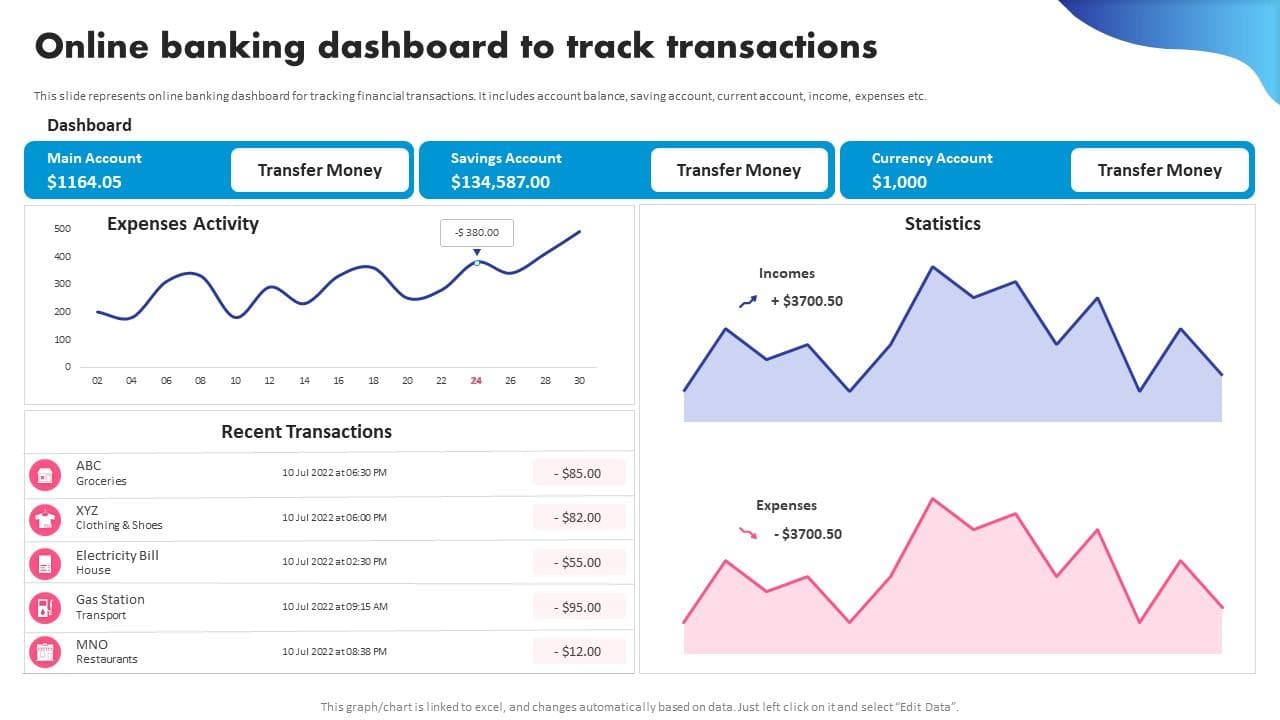
Neobank Leaders
2. Digital Payments and Fintech Infrastructure
Payment infrastructure startups revolutionizing how money moves—replacing legacy systems with modern APIs and real-time settlement.
| Payment Company | Valuation (₹) | Transaction Volume | Key Innovation | Market Position | Founded | Disruption Target |
|---|---|---|---|---|---|---|
| Stripe | ₹1,25,000+ Crore | ₹1,000+ Trillion annually | Complete payment infrastructure APIs | SaaS payment leader, private | 2010 | Traditional payment processors |
| Square (Block) | ₹500,000+ Crore (public) | ₹500+ Trillion annually | Hardware + software integrated payments | Dominant POS system globally | 2009 | Brick-and-mortar payments |
| Adyen | ₹450,000+ Crore (public) | ₹750+ Trillion annually | Global payments platform, enterprise focus | Enterprise leader, public | 2006 | Traditional acquirers |
| Remitly | ₹40,000+ Crore | ₹50+ Billion annually | Money transfer for emerging markets | International transfers leader | 2006 | Traditional remittance services |
| Wise | ₹1,15,000+ Crore (IPO) | ₹200+ Billion annually | Low-cost international transfers | Cross-border payments leader | 2011 | SWIFT banking system |
| Flutterwave (Africa) | ₹25,000+ Crore | ₹30+ Billion annually | African payment infrastructure | Dominant in Africa expansion | 2016 | Regional payment networks |
| Checkout.com | ₹80,000+ Crore | ₹400+ Billion annually | Payment orchestration platform | European champion, global expansion | 2012 | Regional payment processors |
| Affirm (BNPL) | ₹35,000+ Crore | ₹100+ Billion annually | Buy-now-pay-later payments | BNPL category leader | 2012 | Credit card payments |
Payment Fintech Leaders
3. Lending and Credit Disruption
AI-powered lending platforms and BNPL startups disrupting traditional credit assessment and consumer lending.
| Lending Company | Valuation (₹) | Loan Volume (₹ Crore) | Lending Model | Credit Assessment | Founded | Market Impact |
|---|---|---|---|---|---|---|
| Affirm (BNPL) | ₹35,000+ Crore | ₹100,000+ Crore originations | Buy-now-pay-later, point-of-sale | AI credit scoring, instant underwriting | 2012 | Displacing credit cards at checkout |
| Klarna (BNPL) | ₹80,000+ Crore | ₹150,000+ Crore originations | BNPL, embedded at checkout | ML-based risk assessment | 2005 | Europe and US BNPL leader |
| SoFi | ₹50,000+ Crore | ₹200,000+ Crore portfolio | Student loans, personal loans, mortgages | AI underwriting, alternative data | 2011 | Refinancing and new lending |
| Upstart | ₹45,000+ Crore | ₹500,000+ Crore in partner loans | AI lending infrastructure, B2B2C | AI credit models, non-traditional data | 2012 | Bank partnership model |
| Better.com | ₹30,000+ Crore | ₹50,000+ Crore mortgages | Mortgage origination, instant underwriting | AI-driven mortgage underwriting | 2016 | Mortgage disruption |
| Lemonade | ₹40,000+ Crore | Renters/homeowners insurance focus | Insurance via AI claims | AI underwriting and claims processing | 2015 | Insurance automation |
| Zopa (UK) | ₹15,000+ Crore | ₹20,000+ Crore peer-to-peer lending | Peer-to-peer lending marketplace | AI credit assessment | 2005 | UK lending marketplace |
| LendingClub | ₹30,000+ Crore (public) | ₹300,000+ Crore originated | Peer-to-peer, consumer loans | AI underwriting, alternative data | 2006 | Marketplace lending pioneer |
Lending Disruption Trends
4. Cryptocurrency and Blockchain Finance
Blockchain-based financial services maturing from speculation toward practical applications in payments, settlements, and digital assets.
| Crypto Company | Valuation (₹) | Users/Assets | Business Model | Key Service | Founded | Regulation Status |
|---|---|---|---|---|---|---|
| Coinbase | ₹500,000+ Crore (public) | 100+ million users, ₹10+ Trillion assets | Exchange, custody, infrastructure | Crypto exchange leader, enterprise focus | 2012 | Regulated broker-dealer |
| Kraken | ₹80,000+ Crore | 6+ million users, ₹500+ Billion assets | Exchange, staking, futures | Institutional-focused exchange | 2011 | Regulated, transparent |
| Blockchain.com | ₹50,000+ Crore | 100+ million wallet users | Wallet, explorer, exchange | Blockchain infrastructure, wallet leader | 2011 | Non-custodial wallet focus |
| Ripple (XRP Ledger) | ₹60,000+ Crore | Enterprise partnerships growing | Cross-border payment infrastructure | CBDC partnerships, enterprise solutions | 2012 | Regulatory battles ongoing |
| Circle | ₹35,000+ Crore | 50+ million users, ₹50+ Billion USDC | Stablecoin issuer, payment infrastructure | USDC stablecoin, payment rails | 2013 | Stablecoin regulation focus |
| Chainalysis | ₹25,000+ Crore | 500+ enterprise customers | Blockchain intelligence and compliance | AML/CFT compliance for crypto | 2014 | Regulatory enabler |
| OpenSea (NFT) | ₹20,000+ Crore | 4+ million traders | NFT marketplace leader | NFT trading, digital asset marketplace | 2020 | Regulatory questions |
| dYdX (DeFi) | ₹8,000+ Crore | 100,000+ traders, ₹100+ Billion TVL | Decentralized derivatives | Decentralized exchange, margin trading | 2017 | Regulatory arbitrage |
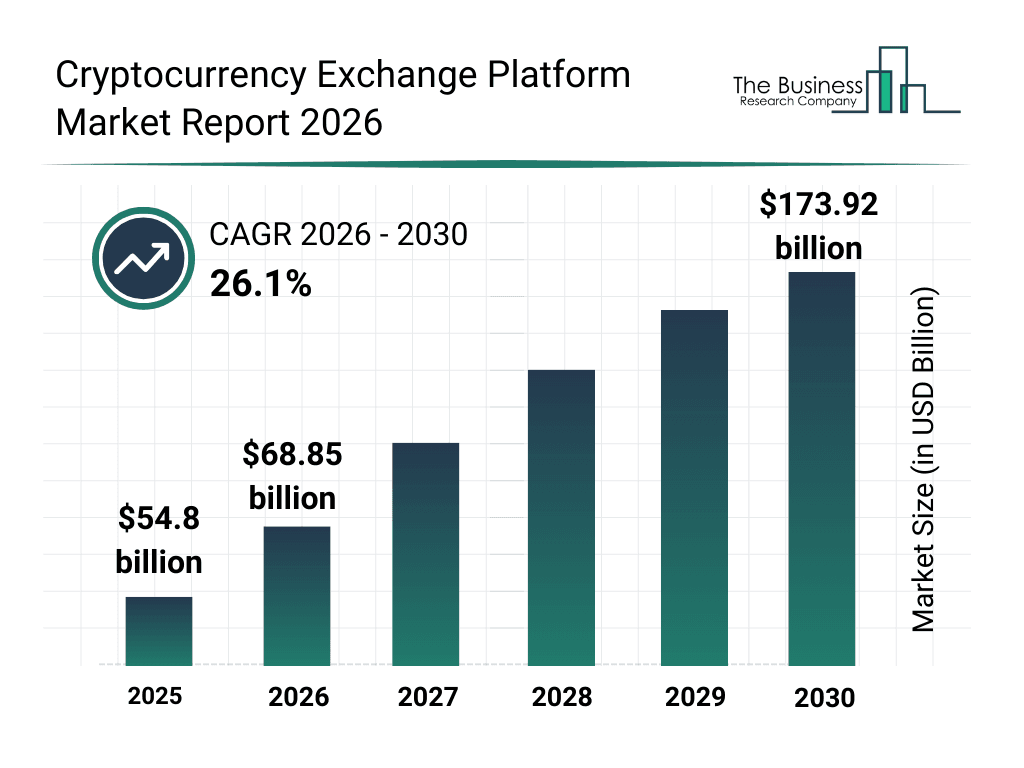
Crypto Fintech Maturation
5. Wealth Management and Investment Technology
Robo-advisors and investment platforms democratizing wealth management, enabling retail investors to access professional-quality portfolio management.
| Wealth Tech Company | Valuation (₹) | Assets Under Management (₹ Crore) | Key Innovation | User Base | Founded | Market Position |
|---|---|---|---|---|---|---|
| Wealthfront | ₹40,000+ Crore | ₹200,000+ Crore AUM | Robo-advisor, direct indexing | 1+ million users | 2011 | Wealth management democratization |
| Betterment | ₹35,000+ Crore | ₹150,000+ Crore AUM | Goal-based investing, robo-advisor | 1+ million users | 2010 | Retail investment platform leader |
| Robinhood | ₹50,000+ Crore (public) | Millions of users, ₹100+ Billion daily volume | Commission-free stock trading | 20+ million users | 2013 | Retail trading disruption |
| Fidelity Go | ₹2,000,000+ Crore (Fidelity division) | ₹500,000+ Crore AUM | Robo-advisor from legacy firm | 3+ million users | 2015 | Traditional firm response |
| Vanguard Personal Advisor | ₹5,000,000+ Crore (Vanguard division) | ₹1,000,000+ Crore AUM | Hybrid advisor platform | 1+ million users | 2015 | Legacy wealth adapting |
| Moneyfarm (Europe) | ₹15,000+ Crore | ₹50,000+ Crore AUM | European robo-advisor, independent | 300,000+ users | 2012 | European wealth tech leader |
| Groww (India) | ₹5,000+ Crore | ₹50,000+ Crore AUM | India-focused investment platform | 5+ million users | 2016 | India wealth tech leader |
| Zerodha (India) | ₹20,000+ Crore (estimated) | Million+ active traders | Ultra-low-cost brokerage, education | 10+ million users | 2010 | India trading revolution |
Investment Fintech Trends
6. Embedded Finance: Financial Services Everywhere
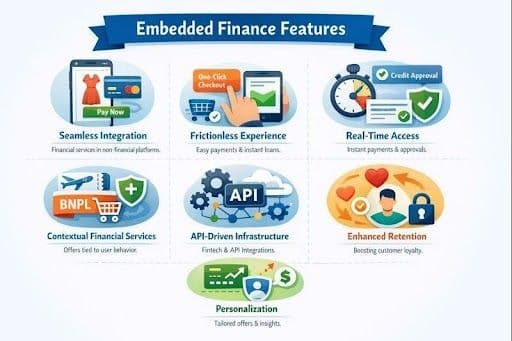
Embedded finance integrating financial services into non-financial platforms—enabling payments, lending, insurance within apps users already use.
Embedded Finance Categories:
Embedded Payments — Payment functionality within existing platforms:
- ✓E-commerce payment buttons
- ✓In-app purchasing
- ✓Marketplace payments (Uber, DoorDash, Airbnb)
- ✓Social commerce payments (Instagram, TikTok)
- ✓Payment volume: ₹5,000+ Trillion annually through embedded payments
Buy-Now-Pay-Later (BNPL) — Installment payments at point of sale:
- ✓Klarna, Affirm, Sezzle, Quadpay
- ✓₹300,000+ Crore annual originations
- ✓Rapidly displacing credit card checkout
- ✓Profitability challenges in 2026 consolidating category
Embedded Lending — Loans within existing platforms:
- ✓Marketplace lending within gig platforms (Stripe)
- ✓Credit access within banking apps (Chime)
- ✓Business lending within accounting software (Bill.com)
- ✓Auto insurance within car apps
- ✓Fast-growing category with ₹200,000+ Crore originations
Embedded Insurance — Insurance products within apps:
- ✓Lemonade renters insurance in apartment apps
- ✓Travel insurance in flight booking apps
- ✓Device insurance in electronics apps
- ✓Growing rapidly in specific use cases
Embedded Investing — Fractional shares and investing within apps:
- ✓Fractional share apps (Robinhood, Moomoo)
- ✓Crypto investing in fintech apps
- ✓Investment features in banking apps
- ✓Enabling retail participation previously inaccessible
Infrastructure Enablers:
- ✓Stripe Connect (payment infrastructure)
- ✓Unit (embedded finance stack)
- ✓Fintech.com (platform)
- ✓Enabling developers to add financial services without building in-house
Market Impact:
- ✓Disintermediating traditional financial institutions
- ✓Financial services increasingly commodity
- ✓Non-financial companies (Stripe, Square, Amazon) becoming payment/lending powerhouses
- ✓Traditional banks losing transaction volume to embedded platforms
7. Fintech Consolidation and Market Dynamics
Fintech market experiencing consolidation with mega-winners emerging and thousands of feature startups acquired or failed.
| Trend | 2020 Reality | 2026 Reality | Implication | Market Impact |
|---|---|---|---|---|
| Startup Funding | ₹200,000+ Crore annually | ₹80,000+ Crore (peak 2021-2022 decline) | Capital discipline increasing, hype cycle ending | Profitability focus over growth-at-all-costs |
| Mega-Rounds | Rare (₹5,000+ Crore) | Standard for winners (₹5,000-15,000 Crore) | Concentration in best-positioned startups | Winner-take-most dynamics accelerating |
| Profitability | Distant (10+ years timeline) | Near-term (2-3 years expected), achieved by leaders | Business models increasingly proven | Sustainable fintech companies emerging |
| Consolidation M&A | Feature acquisitions | Mega-acquisitions (₹10,000-50,000+ Crore) | Larger platforms absorbing competitors | Ecosystem consolidation visible |
| Neobank Profitability | None profitable | Nubank, Chime, Wise profitable | Fintech unit economics proven | Sustainable alternative banking viable |
| Regulatory Clarity | Uncertainty and conflict | Banking licenses granted, clear frameworks | Regulatory approval accelerating growth | Incumbents losing monopoly protection |
| Geographic Expansion | US/Europe focused | Global (emerging markets prime growth) | Emerging market fintech acceleration | India, Southeast Asia, Africa booming |
| Tech Giant Entry | Limited competition | Stripe, Square, Amazon, Apple competing | Big tech leveraging distribution advantage | Smaller startups facing 800-pound gorillas |
Market Consolidation Reality
8. Fintech Challenges and Risk Factors
Despite explosive growth, fintech faces significant challenges threatening business model sustainability and market viability.
Major Fintech Challenges:
Regulatory Backlash — 2026 seeing increased regulatory pressure:
- ✓UK FCA scrutiny on BNPL sustainability
- ✓US SEC and OCC enforcement actions
- ✓China cracking down on fintech (Jack Ma persecution, Alipay restrictions)
- ✓Data privacy regulations (GDPR, CCPA) increasing compliance costs
- ✓Open banking requirements protecting incumbents
Banking License Gatekeeping — Traditional regulators protecting banking monopoly:
- ✓Banking licenses difficult to obtain (5-10 year timelines)
- ✓Political connections often required for approval
- ✓Crony capitalism concerns from selective approval
- ✓Neobanks with licenses gaining competitive moat
- ✓Non-licensed fintech increasingly limited in offerings
Incumbent Bank Response — Traditional banks adapting faster than expected:
- ✓Legacy banks launching digital-first platforms
- ✓Investment in technology reducing digital gap
- ✓Cross-selling advantages (checking account holders get loans easily)
- ✓Deposit-taking advantage (neobanks dependent on partnerships)
- ✓Customer retention (switching costs higher than expected)
Unit Economics Challenges:
- ✓Customer acquisition costs increasing 15-30% YoY
- ✓Lifetime value calculation questionable for many models
- ✓BNPL economics deteriorating (higher fraud, defaults)
- ✓Lending margins compressed by competition
- ✓Payment processing margins declining as volume increases
Fraud and Security Issues:
- ✓Fintech fraud losses ₹20,000+ Crore annually
- ✓Synthetic identity fraud growing exponentially
- ✓Cybersecurity risks higher in newer systems
- ✓Legacy bank security better (compliance history)
- ✓Trust barrier for security-conscious users
Data Privacy Concerns:
- ✓Consumer data in fintech more valuable (purchasing, location, income)
- ✓Data breach liability increasing
- ✓Privacy-focused regulations increasing costs 30-50%
- ✓Consent management complex and expensive
- ✓Data monetization as business model controversial
Economic Downturn Vulnerability:
- ✓BNPL users (subprime, gig workers) economically vulnerable
- ✓Lending defaults rising in 2024-2026 slowdown
- ✓P2P lending and robo-advisors losing investors
- ✓Fintech-focused investors losing appetite
- ✓Recession testing fintech profitability claims
Tech Giant Competition:
- ✓Apple Pay, Google Pay, Amazon Pay scale threatening startups
- ✓Tech giant distribution advantages overwhelming
- ✓Talent poaching (top fintech founders acquired by big tech)
- ✓Capital advantages enabling rapid feature addition
- ✓Regulatory preference (tech giants receive favorable treatment vs startups)
9. Regional Fintech Opportunities
Fintech growth accelerating in emerging markets where traditional banking infrastructure underdeveloped, creating unique opportunities.
| Region | Market Size (₹ Crore) | Key Opportunity | Leading Startups | Growth Rate | Time to Profitability |
|---|---|---|---|---|---|
| India | ₹200,000+ | Digital payment dominance (UPI), lending, insurance | Zerodha, Groww, BharatPe, Razorpay | 80-100% annually | 2-3 years achieved |
| Southeast Asia | ₹150,000+ | Mobile-first banking, cross-border payments | Grab, GoJek, Remitly, Wise regional | 70-90% annually | 3-5 years path clear |
| Latin America | ₹120,000+ | Neobanking (Nubank dominant), lending | Nubank (₹250,000 Crore), Kavak, Mercado | 60-80% annually | 2-4 years achieving |
| Africa | ₹80,000+ | Mobile money (M-Pesa led), lending, payments | Flutterwave, Paystack, Chipper Cash, Jumia | 100%+ annually | 3-5 years path emerging |
| Middle East | ₹60,000+ | Payments, Islamic banking, remittances | Noon (Saudi Arabia), Telr, Payfort (Amazon acquired) | 70-80% annually | 3-5 years clear |
| Europe | ₹300,000+ | Open banking, fintech maturation, consolidation | Revolut, Wise, Klarna, N26 | 30-40% annually | Achieved (leaders profitable) |
| North America | ₹400,000+ | Fintech saturation, consolidation, regulatory clarity | Stripe, Square, SoFi, Robinhood | 20-30% annually | Achieved (leaders profitable) |
Emerging Market Opportunities
10. The Future of Fintech: 2026-2030 Vision
Future fintech landscape projected to consolidate around mega-platforms while specialized niches emerge in underserved segments.
2026-2030 Fintech Forecast
Conclusion: Fintech Matures From Disruption to Transformation
2026 establishes fintech as mainstream financial infrastructure with 3.8 billion global users replacing traditional banking in developed markets. Neobank profitability (Nubank, Wise, Chime) validates digital-first banking model. Payment infrastructure dominance (Stripe, Adyen, Wise processing ₹3,000+ Trillion annually) proved traditional processors obsolete. AI-powered lending and credit assessment displacing traditional credit models. Embedded finance integration into non-financial platforms accelerating, disintermediating traditional financial services. Consolidation creating mega-winners while thousands of feature startups failed or acquired. Future fintech landscape characterized by 5-10 dominant platforms controlling 50%+ market share, with niche specialization in underserved segments. Regulatory frameworks enabling fintech growth while protecting incumbent interests. Tech giants entering fintech leveraging distribution advantages threatening fintech startups. IPO wave (2026-2028) validating fintech business models but profitability becoming prerequisite for investment. Emerging market fintech (India, Southeast Asia, Africa) driving 80-100% growth rates while developed markets mature. Overall fintech transition from disruptive innovation (disrupting incumbents) to transformative infrastructure (replacing traditional banking) completed by 2026—future fintech about efficiency gains, personalization, and serving underserved populations rather than displacing incumbents.
💳 **Download the Complete Fintech Investment Guide 2026** — Detailed startup profiles, market analysis, investment opportunities, and sector-specific recommendations for fintech exposure.
Share This Article
📤 Share This