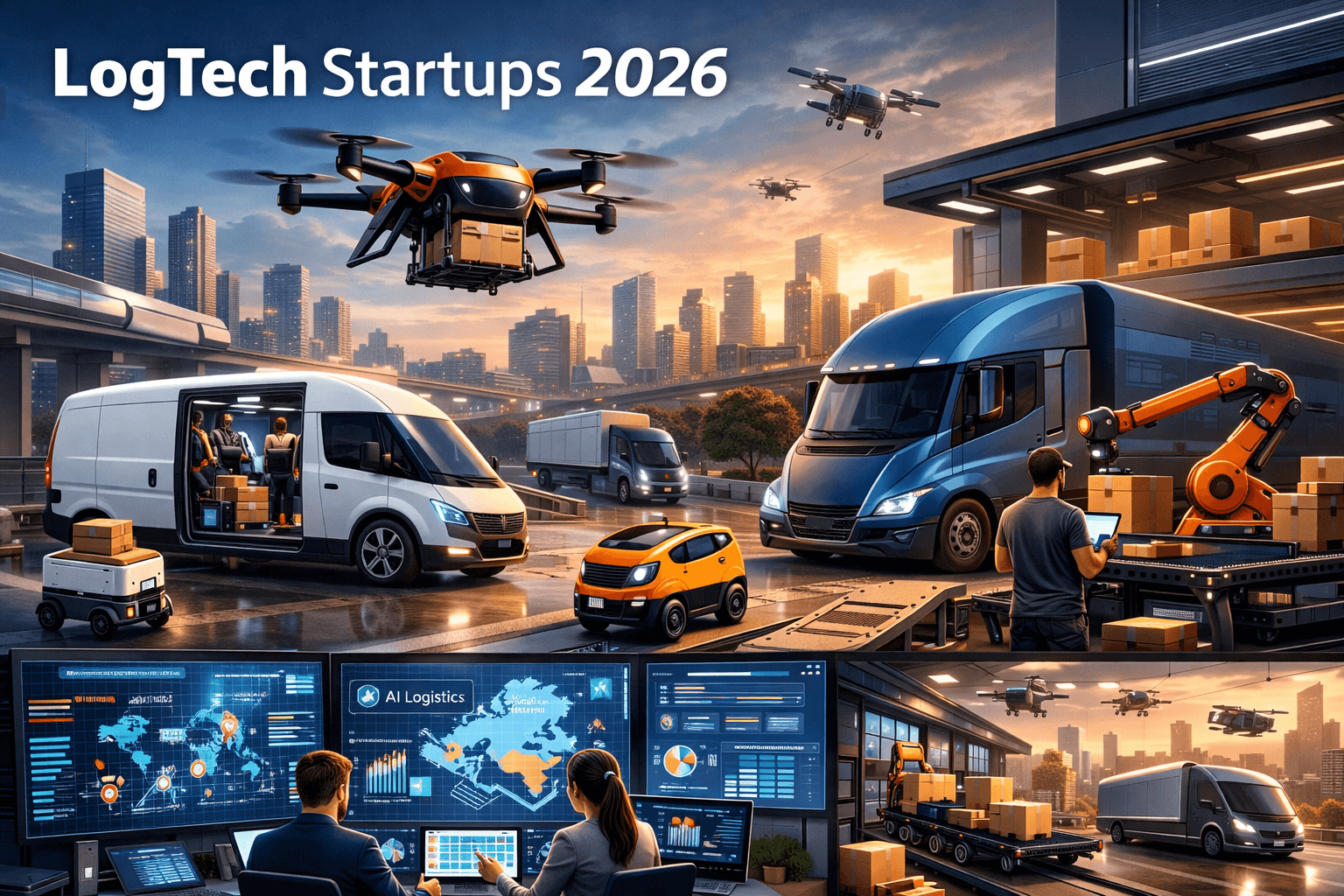
Introduction: LogisticTech Transforms Supply Chains
2026 establishes logistics technology as transformative force in supply chain operations with $850B+ market opportunity and 78% of enterprises adopting digital solutions. E-commerce growth (30-40% annual expansion) combined with consumer expectation of 1-day delivery and real-time tracking creating urgent logistics optimization need. March 2026 launches showcase mature innovation: AI route optimization reducing delivery costs 20-30%, autonomous delivery robots enabling last-mile automation, real-time supply chain visibility (99%+ accuracy), and predictive demand enabling inventory optimization 40-50% waste reduction. Global supply chain disruptions (pandemic, geopolitical) accelerated digitization—companies recognizing inefficiency costs justify technology investment. Whether analyzing logistictech investment opportunities, optimizing supply chain operations, or seeking last-mile delivery solutions, 2026's logistics startup landscape demonstrates how technology addresses fundamental supply chain challenges—cost, speed, visibility, and reliability.
Pro Tip
👉 Key Insight: LogisticTech bifurcating into enterprise (B2B) platforms for large companies and gig-based (B2C) last-mile solutions for consumers. Enterprise logistics showing highest profitability potential; last-mile facing unit economics challenges but venture capital flowing aggressively.
1. Enterprise Supply Chain and Visibility Platforms
Enterprise supply chain platforms providing real-time visibility, predictive analytics, and optimization across global logistics networks.
| Platform | Valuation (₹ Crore) | Customers (Enterprise) | Focus Area | Optimization Gain | Founded | Market Position |
|---|---|---|---|---|---|---|
| Project44 | ₹150,000+ Crore | 500+ enterprises | Supply chain visibility and tracking | 30-40% efficiency improvement | 2012 | Visibility platform leader |
| Kinaxis | ₹300,000+ Crore (public) | 2,000+ customers | Supply chain planning and RMS | 25-35% planning optimization | 2002 | Enterprise planning leader |
| Blue Yonder | ₹500,000+ Crore (JDA + Manhattan merger) | 5,000+ enterprises | End-to-end supply chain software | 20-40% cost reduction | 2020 (merged) | Largest supply chain platform |
| E2open | ₹300,000+ Crore (public) | 3,000+ customers | Supply chain network operations | 25-30% efficiency improvement | 2020 (merged) | Network optimization leader |
| Fourkites | ₹100,000+ Crore | 1,000+ enterprises | Real-time supply chain tracking | 99%+ visibility accuracy | 2014 | Visibility and tracking leader |
| Coupa | ₹250,000+ Crore (public) | 10,000+ customers | Procurement and supply chain | 30% cost reduction (source to pay) | 2000 | Procure-to-pay leader |
| Logistyx | ₹80,000+ Crore | 500+ customers | Network optimization and planning | 20-25% cost reduction | 2005 | Optimization specialist |
| Flexport | ₹150,000+ Crore | 10,000+ customers | Freight forwarding and integration | Customs and logistics visibility | 2013 | Digital freight platform |
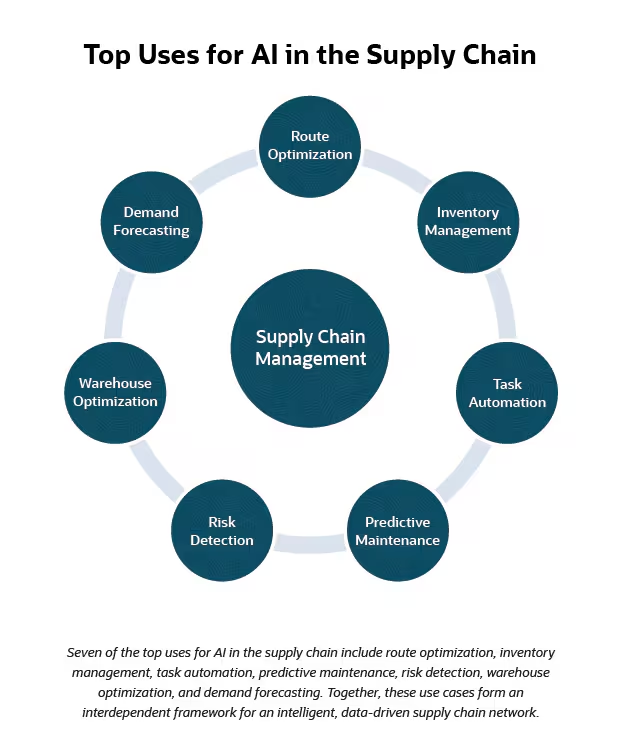
Enterprise Supply Chain Leaders
2. Last-Mile Delivery and Autonomous Solutions
Last-mile delivery startups innovating autonomous robots, drones, and gig-based solutions addressing 40-50% of delivery costs.
| Delivery Company | Valuation (₹ Crore) | Deliveries (Daily) | Technology Focus | Cost Reduction | Founded | Deployment |
|---|---|---|---|---|---|---|
| Aurora Innovation | ₹150,000+ Crore (private) | Autonomous truck pilots | Self-driving trucks for long-haul | 40-50% driver cost reduction | 2017 | Texas to California routes |
| Waymo (Alphabet division) | ₹1,000,000+ Crore | Autonomous vehicle fleet | Self-driving cars and trucks | Robotaxi and delivery | 2009 | Phoenix, SF, LA operations |
| Nuro | ₹80,000+ Crore | Autonomous delivery robots | Purpose-built autonomous vehicle | 30-40% last-mile cost reduction | 2018 | Multi-city US deployment |
| Zipline | ₹150,000+ Crore | Medical drones delivering | Autonomous drones for delivery | Critical supply delivery | 2014 | Africa and US operations |
| Relay Robots | ₹50,000+ Crore | 50,000+ deliveries daily | Autonomous ground robots | Sidewalk delivery automation | 2016 | Urban last-mile focus |
| Reflex Robotics | ₹40,000+ Crore | Warehouse automation | Robotic process automation | Warehouse efficiency 30-40% | 2015 | Warehouse deployment |
| GoShare | ₹80,000+ Crore | 5,000+ daily deliveries | Gig-based last-mile network | Flexible capacity model | 2015 | Urban density focus |
| Roadie | ₹60,000+ Crore | 1M+ weekly deliveries | Crowdsourced delivery gig | Cost-efficient delivery network | 2014 | US network growth |
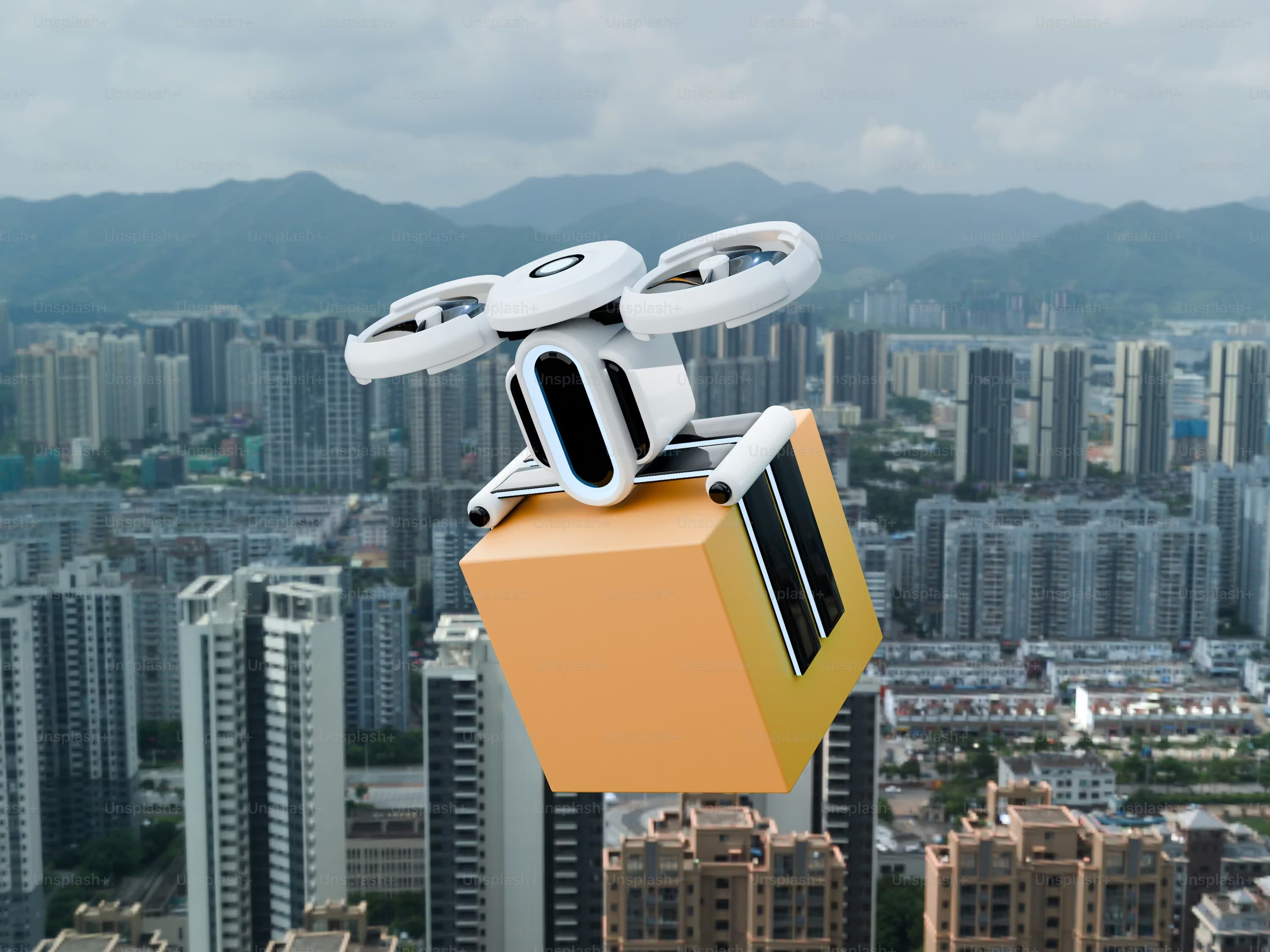
Last-Mile Delivery Innovation
3. Warehouse Automation and Robotics
Warehouse automation startups deploying robots and AI-powered systems increasing picking speed 30-50% while reducing labor costs.
| Robotics Company | Valuation (₹ Crore) | Warehouses Deployed | Technology | Productivity Gain | Founded | Market Position |
|---|---|---|---|---|---|---|
| Amazon Robotics (robotics division) | ₹500,000+ Crore (Amazon division) | 200+ fulfillment centers | Kiva robotic arms, bin-picking robots | 30-40% efficiency improvement | 2012 (acquired Kiva) | Largest warehouse robotics fleet |
| ABB Robotics | ₹1,000,000+ Crore (ABB division) | 10,000+ installations | Collaborative robots (cobots), automated systems | 25-35% productivity gain | 2005 | Industrial robotics leader |
| Canvas | ₹50,000+ Crore | 100+ warehouse implementations | AI-powered picking automation | 30-40% picking speed improvement | 2019 | AI picking optimization |
| Locus Robotics | ₹150,000+ Crore | 200+ warehouses deploying | Mobile robots for picking assistance | 50% picking speed improvement documented | 2014 | Collaborative robotics leader |
| Symbotic | ₹80,000+ Crore | 50+ implementations | Complete warehouse automation systems | 40-50% efficiency improvement | 2007 | Turnkey automation systems |
| AutoStore | ₹200,000+ Crore | 300+ installations globally | Vertical storage and retrieval automation | 30-40% space optimization | 1996 | European warehouse leader |
| 6 River Systems (part of Shopify) | ₹100,000+ Crore | 100+ warehouses | Mobile robots for fulfillment | Shopify integration advantage | 2014 | E-commerce fulfillment focus |
| Exotec | ₹100,000+ Crore | 50+ deployments | Autonomous mobile robots (Skypod) | 40-50% efficiency improvement | 2014 | European robotics leader |
Warehouse Automation Impact
4. AI Route Optimization and Predictive Analytics
AI-powered route optimization and demand forecasting reducing delivery costs 20-30% while improving delivery accuracy.
| Analytics Company | Valuation (₹ Crore) | Customers | Focus Area | Cost Reduction | Founded | Technology |
|---|---|---|---|---|---|---|
| Descartes Systems | ₹250,000+ Crore (public) | 20,000+ customers | Logistics software (routing, visibility, compliance) | 20-30% routing cost reduction | 1981 | Oldest logistics software provider |
| Convoy | ₹150,000+ Crore (private) | 10,000+ trucking companies | AI freight matching and optimization | 25-35% cost reduction for trucking | 2015 | Trucking marketplace leader |
| Route4Me | ₹50,000+ Crore | 50,000+ users | Route optimization and delivery management | 25% fuel and time reduction | 2010 | Delivery optimization platform |
| Optibus | ₹100,000+ Crore | 500+ transit agencies | Public transit planning and optimization | 20-30% operational efficiency | 2015 | Public transit focus |
| Element Logic | ₹80,000+ Crore | 100+ installations | Warehouse automation and optimization | 30-40% warehouse efficiency | 1997 | German automation leader |
| ORTEC | ₹120,000+ Crore | 2,000+ customers | Planning and optimization algorithms | 25-35% cost and time reduction | 1981 | Operations research expertise |
| Lokad | ₹40,000+ Crore | 1,000+ companies | AI demand forecasting for supply chain | 40-50% inventory optimization | 2008 | Demand forecasting specialist |
| C3 Metrics | ₹8,000+ Crore | AI predictive analytics for supply chain | Supply chain visibility and prediction | 30% forecast accuracy improvement | 2011 | Predictive analytics focus |
AI and Optimization Impact
5. Global Trade and Customs Compliance
Trade logistics platforms automating customs documentation, compliance, and international shipping complexity.
| Trade Platform | Valuation (₹ Crore) | Users/Businesses | Focus Area | Efficiency Gain | Founded | Market Position |
|---|---|---|---|---|---|---|
| Flexport | ₹150,000+ Crore | 10,000+ customers | Digital freight forwarding and customs | 70-80% customs documentation automation | 2013 | Digital freight leader |
| Shippo | ₹100,000+ Crore | 50,000+ customers | Shipping logistics and carrier integration | 50% shipping time reduction | 2014 | E-commerce shipping platform |
| Agility | ₹500,000+ Crore (public) | 10,000+ enterprises | Supply chain and contract logistics | Global supply chain solutions | 2000 | Global logistics provider |
| Beacon | ₹80,000+ Crore | 500+ businesses | Supply chain planning and analytics | Cloud-based supply chain planning | 2014 | Planning focus |
| LatentView | ₹80,000+ Crore | 100+ enterprises | Supply chain analytics and insights | Data-driven supply chain | 2006 | Analytics specialist |
| Tradeshift | ₹150,000+ Crore | 4M+ users on platform | Supply chain network and collaboration | B2B supply chain network | 2010 | Supply chain network leader |
| FourKites | ₹100,000+ Crore | 1,000+ enterprises | Real-time visibility across supply chain | 99%+ visibility accuracy | 2014 | Visibility platform leader |
| Kontainers | ₹50,000+ Crore | Container tracking and visibility | Ocean freight visibility | Shipping transparency | 2017 | Ocean freight specialist |
Global Trade Optimization
6. LogisticsTech Funding and Market Consolidation
LogisticsTech funding reaching record levels driven by e-commerce growth and supply chain digital transformation.
| Trend | 2020 Reality | 2026 Reality | Driver | Market Impact |
|---|---|---|---|---|
| Annual Funding | ₹80,000-100,000 Crore | ₹150,000-200,000 Crore (venture and strategic) | E-commerce growth, supply chain digital transformation | 3x funding growth |
| Mega-Rounds | ₹1,000-2,000 Crore occasional | ₹3,000-8,000 Crore standard for leaders | Scale capital requirements for automation | Concentration in winners |
| Profitability Focus | Growth at all costs | Path to profitability expected (2-3 years) | Investor discipline, supply chain efficiency | Unit economics scrutiny |
| Strategic Acquisitions | Limited M&A activity | Major acquisitions (Shopify-6River, UPS investing) | Incumbents disrupting, consolidation accelerating | Ecosystem consolidation |
| Automation Capital | Limited deployment | ₹50,000+ Crore annually in warehouse robots/automation | Labor shortage, cost pressure, technology maturation | Widespread automation deployment |
| Autonomous Vehicles | R&D and pilots | Commercial deployment beginning (limited scale) | Technology maturation, regulatory progress | 5-10 year timeline to mainstream |
| Corporate VC Entry | Emerging participation | Standard (UPS, FedEx, Amazon investing in startups) | Incumbent disruption response | Strategic capital entering ecosystem |
| International Expansion | US and Europe dominated | Asia-Pacific fastest growing (India, China, SE Asia) | E-commerce growth in emerging markets | Geographic funding dispersal |
LogisticsTech Market Evolution
7. LogisticsTech Challenges and Adoption Barriers
LogisticsTech adoption barriers limiting technology deployment despite favorable market conditions.
Major LogisticsTech Challenges:
Capital Intensity: Warehouse robots and automation requiring ₹100,000+ Crore investment for large warehouses. Autonomous vehicles requiring massive R&D and testing investment. High capital requirements limiting startups and SMB adoption. Incumbent companies with capital having advantage.
Infrastructure Integration: Legacy warehouse systems difficult to integrate with modern robotics. Supply chain software integrations complex (countless legacy systems). Integration costs significant portion of total project cost. Technology debt limiting implementation speed.
Last-Mile Unit Economics: Delivery costs (₹50-100 per unit) still challenging for low-value items. Autonomous vehicle and robot cost reductions needed to achieve profitability. Profitability timeline 5-10 years, requiring patient capital.
Regulatory Uncertainty: Autonomous vehicle regulations variable by jurisdiction. Drone delivery approvals limited and slow. Labor regulations affecting gig-based delivery models. Regulatory timeline misaligned with technology deployment.
Labor and Social Concerns: Driver displacement from autonomous vehicles creating political pressure. Worker safety concerns with warehouse robots. Gig-based delivery creating labor rights challenges. Social license to operate uncertain.
Technology Limitations: Weather impact on autonomous robots and drones. Last-mile complexity (apartment buildings, gated communities, international). Cold chain logistics still largely manual. Fragile item handling challenges for robots.
Customer Acceptance: Consumer skepticism of robot delivery (safety, theft concerns). Driver acceptance of autonomous vehicles (job displacement fears). Enterprise resistance to new workflows and integration effort.
Supply Chain Complexity: Global supply chains extremely complex (hundreds of variables). Optimization algorithms CPU-intensive (real-time optimization challenging). Data quality issues (garbage in, garbage out in AI).
Profitability Challenges: Last-mile startups struggling with unit economics (Uber/DoorDash model inefficiency). Autonomous vehicle investments without clear profitability path. Investor patience declining after 10+ years of losses.
Competitive Pressure: Amazon dominance in logistics threatening startup viability. Incumbents (UPS, FedEx, DHL) adapting and competing. Deep pockets enabling large companies to outcompete startups.
8. LogisticsTech Investment Opportunities and Framework
Identifying promising logistictech investments requires understanding market opportunity, technology maturity, and unit economics.
LogisticsTech Investment Framework
1. Market Opportunity
2. Unit Economics and ROI
3. Technology Maturity
4. Customer Adoption
5. Team and Execution
6. Competitive Position
1. Enterprise supply chain software (proven ROI, recurring revenue)
2. Route optimization and AI analytics (clear cost savings, SaaS model)
3. Customs and trade compliance automation (regulatory tailwinds)
4. Warehouse automation optimization (productivity gains, capital available)
5. Visibility and tracking platforms (customer demand, integration benefits)
Conclusion: LogisticsTech Transforms Supply Chains
2026 establishes logistics technology as transformative force in supply chain operations with $850B+ market opportunity and 78% enterprise adoption. Enterprise supply chain platforms (Blue Yonder, Kinaxis, Coupa, E2open) achieving scale and profitability through digital transformation. Warehouse automation deploying 200+ robotic fulfillment centers globally reducing labor costs 30-40%. Last-mile delivery startups innovating autonomous robots, drones, and gig-based solutions addressing 40-50% of delivery costs (though profitability remains elusive). AI route optimization reducing delivery costs 20-30%. Real-time supply chain visibility platforms providing 99%+ accuracy enabling exception management. Funding acceleration (₹150,000-200,000 Crore annually) and strategic acquirers (Shopify, UPS, FedEx) entering ecosystem. Consolidation visible around mega-platforms while autonomous vehicle timelines extending to 5-10 years. Challenges remain—capital intensity, last-mile unit economics, regulatory uncertainty, labor concerns, incumbent competition. Future logistics landscape characterized by software dominance (SaaS models), automation widespread (warehouse and long-haul), autonomous vehicles limited to specific use cases (urban delivery, trucking), and global supply chain visibility standard. Investment opportunities concentrated in enterprise software with proven ROI, route optimization, warehouse automation, and customs compliance automation. Last-mile delivery and autonomous vehicles remain speculative bets requiring patient capital and long timelines. Overall logistics industry digital transformation complete—supply chains increasingly managed by software, optimized by AI, and partially automated by robotics, enabling 20-40% cost reduction and improved speed while creating $850B+ market opportunity.
🚚 **Download the Complete LogisticsTech Investment Guide 2026** — Detailed startup profiles, market opportunity assessment, technology evaluation framework, and investment selection criteria.
Share This Article
📤 Share This