Introduction: Gaming Hardware Revolution 2026
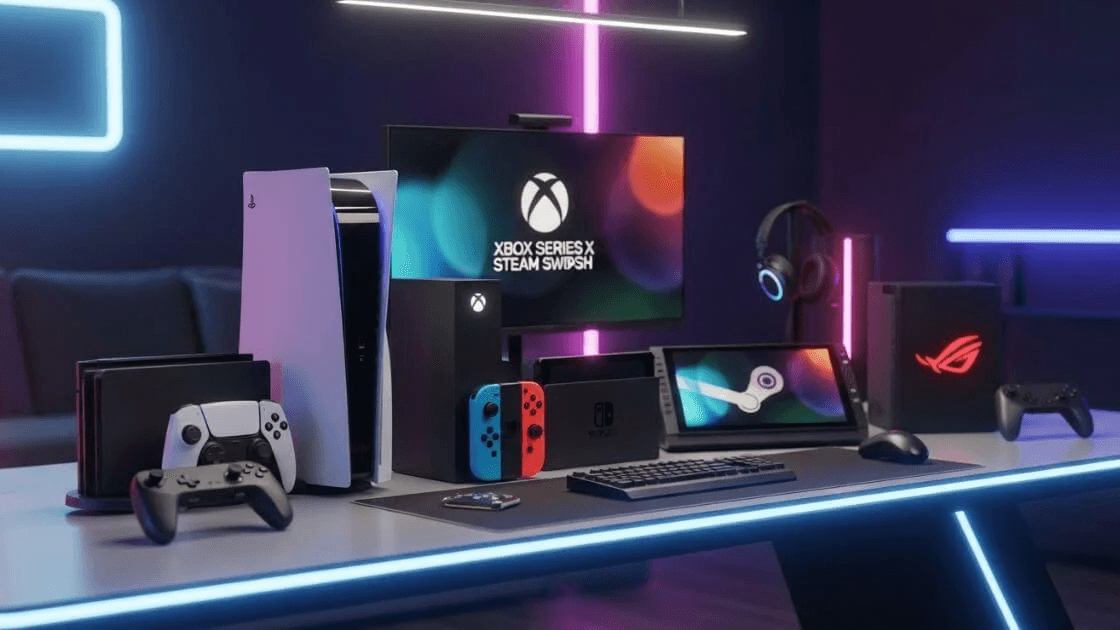
2026 marked a watershed moment in gaming hardware. With 45M next-generation console units sold globally and cloud gaming maturing to offer console-quality experiences on any device, the traditional definition of gaming platforms expanded dramatically. Advanced AI integration, ray-tracing as standard, and cloud infrastructure maturation fundamentally transformed how players experience games.
Pro Tip
👉 The Key Shift: Gaming in 2026 isn't about hardware specs alone—it's about ecosystem integration. Seamless cloud gaming, AI-enhanced NPCs, cross-platform play, and service-based gaming models have become competitive differentiators.
1. Current Generation Consoles: Late-Cycle Power
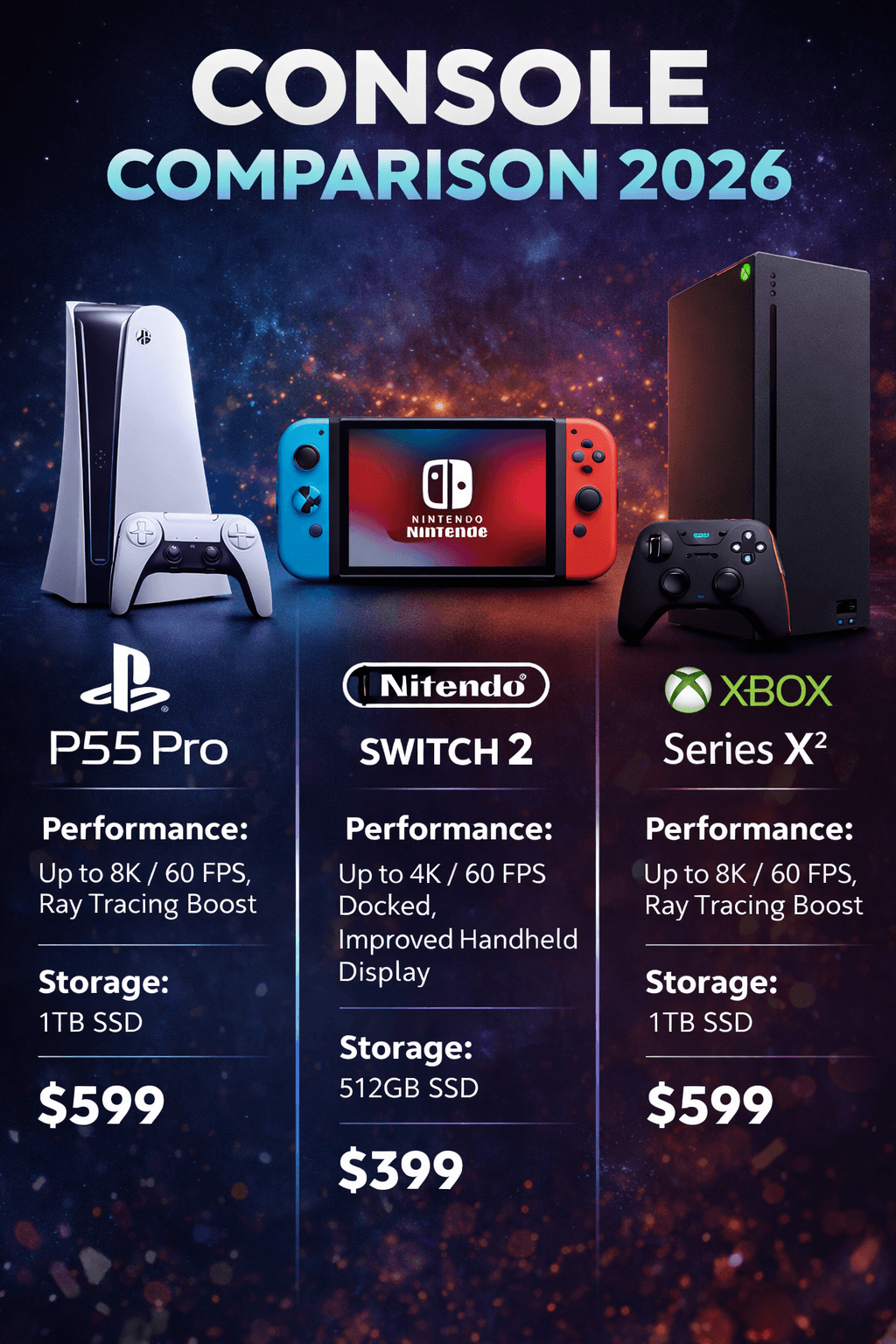
PlayStation 5 and Xbox Series X/S reached peak software library maturity in early 2026, with developers fully exploiting hardware capabilities. Despite rumors of next-generation consoles in development, current-generation systems continued robust sales and strong AAA game releases.
| Console | Units Sold (Cumulative) | Key 2026 Releases | Technical Innovations |
|---|---|---|---|
| PlayStation 5 | 38M | Final Fantasy XVIII, Gran Turismo 8, Wolverine | AI NPC behaviors, enhanced ray-tracing |
| Xbox Series X|S | 28M | Starfield 2, Forza Motorsport 8, Elder Scrolls Online Season 5 | Direct Storage improvements, Game Pass optimization |
| Nintendo Switch 2 | 52M | Zelda prequel, Pokemon Legends Arceus 2, Mario Kart 9 | Handheld/console hybrid, enhanced graphics |
| PC Gaming | N/A | Same AAA titles as consoles | Ultra high-end graphics, modding community |
Console Software Maturity
2026 saw unprecedented depth in game libraries. PlayStation 5 boasted 700+ exclusive and optimized titles, Xbox Series X/S exceeded 500+ Game Pass inclusions, and Nintendo Switch 2 reached 1,200+ game library—representing mature software ecosystems.
2. Next-Generation Announcements and Early Releases
Early 2026 saw major console manufacturers announce next-generation platforms launching 2027-2028. PlayStation 6, Xbox Series Z, and Nintendo NX (rumored) entered development confirmation phases, with technical specifications creating industry excitement.
Next-Generation Console Specifications (Rumored/Confirmed):
PlayStation 6 (2027 release):
- ✓Custom AMD CPU (12-core, 5nm) | 48GB GDDR6X RAM | Ray-tracing core enhancements | 2TB SSD with improved I/O
- ✓AI-powered upscaling and NPC generation
- ✓Backwards compatible with PS5 library
- ✓Integrated VR capabilities without headset requirement
Xbox Series Z (2028 release):
- ✓Custom AMD CPU (16-core) | 64GB RAM with cloud integration | DirectStorage 2.0
- ✓Game Pass cloud gaming seamless integration
- ✓Cross-device game continuity (console to mobile to PC)
- ✓Native AI game generation tools
Nintendo NX (2027 rumored):
- ✓Portable and docked hybrid
- ✓Performance parity with PlayStation 5
- ✓Advanced cloud gaming integration
- ✓Backward compatible with Switch 2 library
3. Cloud Gaming Maturity: The Real Revolution
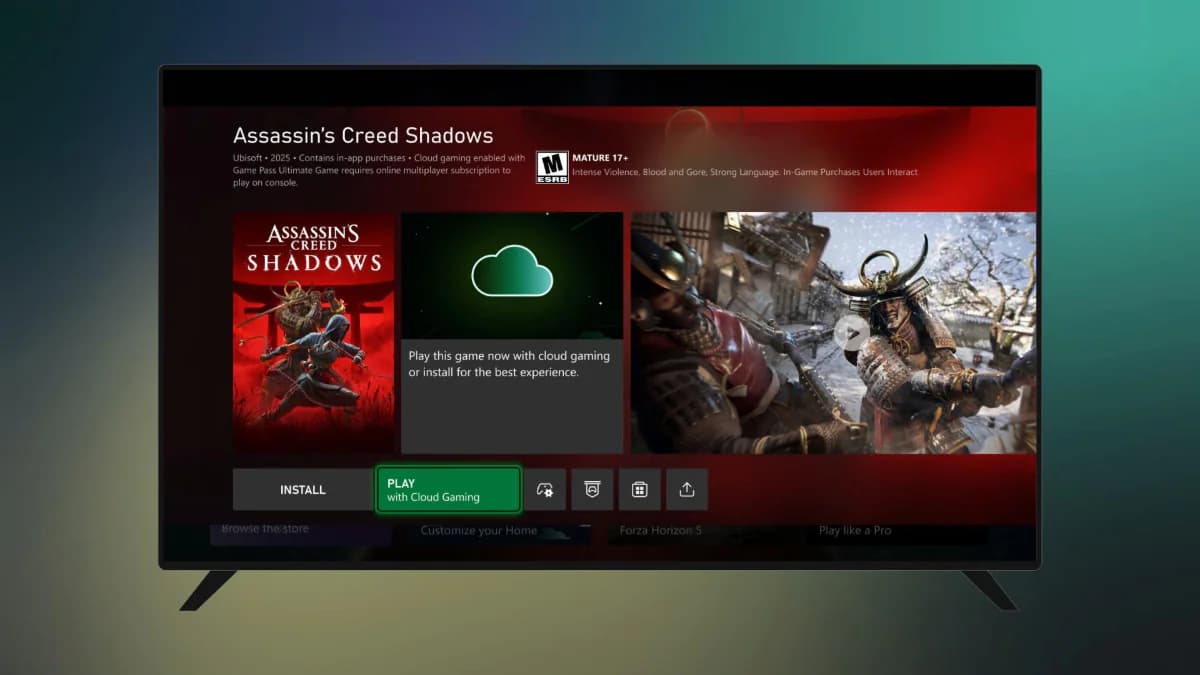
Cloud gaming services reached mainstream viability in 2026. With 450M subscribers across Microsoft Game Pass Ultimate, PlayStation Plus Premium, and NVIDIA GeForce Now, streaming games to any device became technologically and practically feasible.
| Service | Subscribers | Game Library | Key Features | Pricing |
|---|---|---|---|---|
| Game Pass Ultimate | 185M | 500+ games | Day-one AAA, cloud play, cross-device | $17.99/month |
| PlayStation Plus Premium | 95M | 700+ games | PS Plus classics, cloud saves, cloud streaming | $18.99/month |
| NVIDIA GeForce Now | 65M | Custom library | Bring your own games, ultra-low latency | $19.99/month |
| Amazon Luna+ | 45M | 300+ games | Free tier option, exclusive titles | $9.99-14.99/month |
| Ubisoft+ | 35M | 100+ Ubisoft games | Day-one releases, season passes included | $14.99/month |
Cloud Gaming Breakthrough
By March 2026, cloud gaming latency averaged 35-45ms—imperceptible for most gaming genres. This technological achievement made cloud gaming viable for competitive multiplayer and action games, not just casual titles.
4. AI Integration in Gaming Hardware and Software
Artificial intelligence became integral to gaming experiences in 2026. From NVIDIA's DLSS 4 upscaling technology to AI-generated NPC dialogue and behaviors, machine learning fundamentally enhanced game quality and development efficiency.
AI Gaming Technologies 2026:
DLSS 4 (NVIDIA): AI-powered frame generation increases effective gaming performance 3-4x without quality sacrifice. Adoption by all major game engines (Unreal, Unity) made it nearly universal.
Neural Audio Codecs: AI compression enabled high-quality voice communication in multiplayer games with 10x bandwidth reduction.
Procedural Generation AI: AI systems generate game worlds, quests, dialogue, and even textures based on narrative parameters—reducing development time and expanding game content.
Adaptive Difficulty: Machine learning systems analyze player performance and adjust difficulty dynamically, creating personalized gaming experiences.
NPC Behavioral AI: Large language models power NPC interactions, creating dynamic, conversational game worlds where NPCs remember player actions and adjust behaviors accordingly.
Anti-Cheat AI: Machine learning systems detect cheating patterns with 99%+ accuracy, creating fairer competitive environments.
5. VR/AR Gaming: Niche to Mainstream
Virtual and augmented reality gaming reached significant adoption milestones in 2026, with VR headset installed base exceeding 85M units and AR mobile gaming becoming primary gaming format for younger demographics.
| Technology | Installed Base | Key Games | Market Status |
|---|---|---|---|
| Meta Quest 4 | 32M | Beat Saber, Half-Life Alyx, Resident Evil 5 | Market leader |
| PlayStation VR | 28M | Final Fantasy XV, Resident Evil Village VR | Bundled with PS5 |
| HTC Vive 3 | 15M | Valve Index games, professional applications | Premium/enthusiast |
| Apple Vision Pro | 8M | Spatial computing games, cross-device play | Luxury segment |
| Mobile AR Games | 1.2B | Pokémon GO AR, spatial navigation games | Mainstream mobile |
VR Maturity
VR gaming evolved from niche enthusiast activity to mainstream entertainment. Improved hardware affordability ($299-399 vs $600+ in 2020), larger game libraries, and social VR experiences drove adoption, particularly among Gen Z audiences.
6. Accessory and Controller Revolution
Gaming peripherals advanced significantly in 2026, with haptic feedback controllers, haptic suits, mechanical keyboard advancements, and adaptive controllers for accessibility becoming standard.
Gaming Accessory Innovations:
DualSense Pro (PlayStation): Improved haptic feedback, adaptive trigger resistance, improved battery life (8 hours). Adoptive version for players with disabilities became industry standard.
Xbox Controller with Brain-Computer Interface: Experimental technology allowing thought-to-action control for players with limited mobility—partnered with accessibility organizations.
Haptic Suit Technology: Immersive body feedback suits reached consumer-grade pricing ($499-799), enabling full-body gaming sensations.
Mechanical Gaming Keyboards: All-wireless mechanical keyboards with wireless latency under 1ms became standard for competitive gaming ($150-300 range).
Momentum-Based Controllers: Advanced gyroscopic aiming technology provided precision equivalent to mouse aiming on console platforms.
Conclusion: The Diversification of Gaming Platforms
Gaming in 2026 is no longer defined by a single console or device. Cloud services, AI integration, VR experiences, and cross-platform play have democratized gaming, allowing anyone with an internet connection and a compatible device to access console-quality experiences. The era of hardware exclusivity has effectively ended, replaced by service-based ecosystems and cloud-native gaming.
🎮 **Get the Complete Gaming Hardware Guide 2026** — Detailed console comparisons, cloud service analysis, VR market breakdown, and upcoming technology roadmap.
Share This Article
📤 Share This