Introduction: Esports Reaches Mainstream Status
2026 confirmed esports' transformation from niche competitive gaming to mainstream entertainment and legitimate professional sport. With $3.2B in prize pools and sponsorship revenue, 435M viewers, and 180K+ professional competitors globally, esports achieved revenue and audience scale comparable to traditional sports. Major tournaments drew millions of concurrent viewers, with championship matches generating mainstream media coverage and mainstream sports networks broadcasting esports events.
Pro Tip
👉 The Professionalization: Esports has achieved full professional status. Athlete salaries, team franchises, franchise valuations, and institutional support rival traditional sports. The era of esports as 'not real sport' has conclusively ended.
1. Tier-1 Tournaments: The Majors
| Tournament Name | Game Title | Prize Pool | Teams | Region | Viewership |
|---|---|---|---|---|---|
| The International 2026 | Dota 2 | $48.5M | 18 | Global | 89M peak concurrent |
| League of Legends Worlds 2026 | League of Legends | $42.2M | 24 | Global | 156M peak concurrent |
| CS2 Pro League Finals | Counter-Strike 2 | $38.9M | 32 | Global | 78M peak concurrent |
| Valorant Champions 2026 | Valorant | $35.6M | 30 | Global | 68M peak concurrent |
| PUBG Global Championship | PUBG Mobile/PC | $32.4M | 40 | Global | 124M peak concurrent |
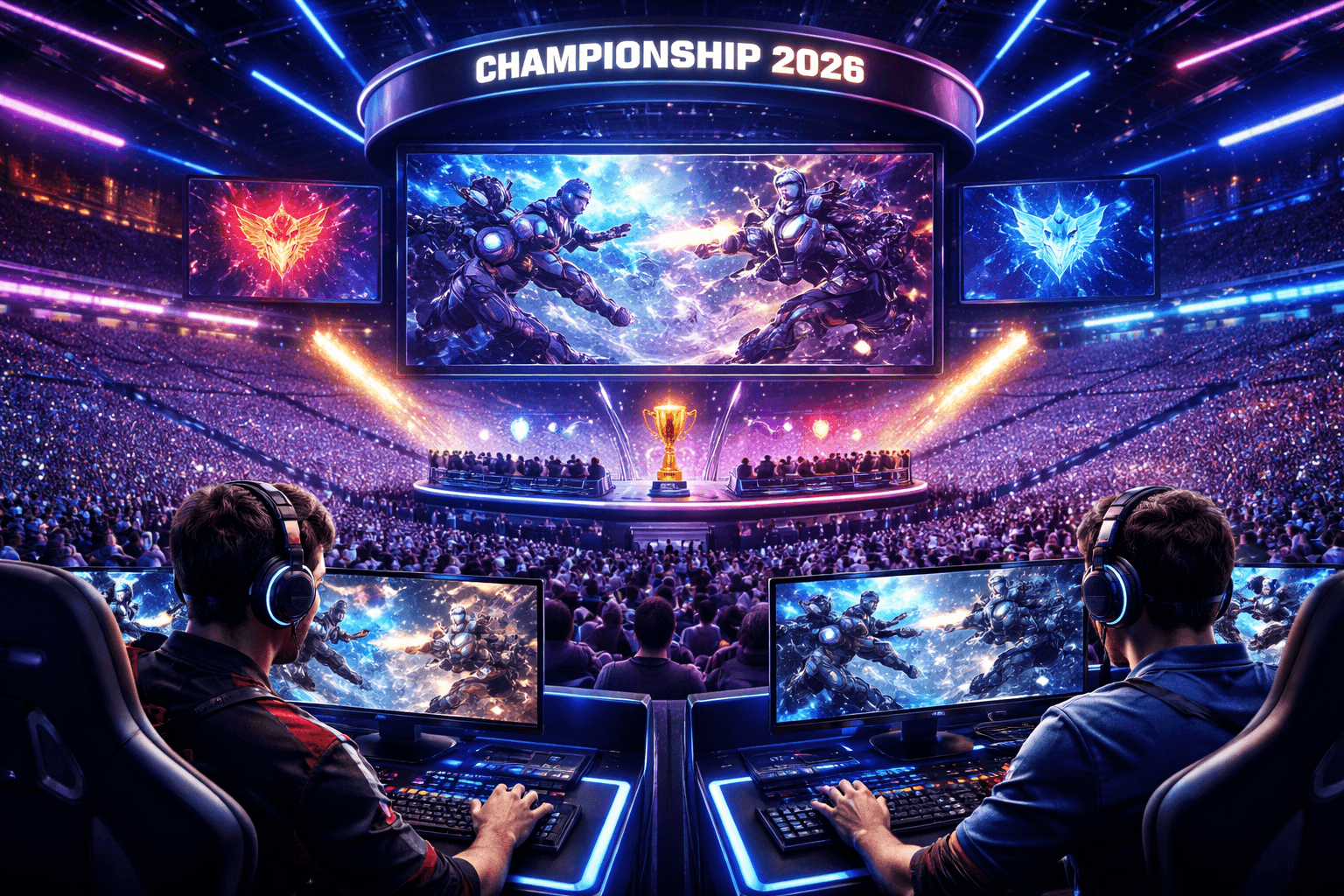
Viewership Scale
League of Legends Worlds 2026 peak concurrent viewership reached 156M—exceeding Super Bowl viewership and rivaling World Cup soccer viewership. This represented esports' definitive arrival as mainstream entertainment medium.
2. Game-Specific Tournament Ecosystems
Each major esports title developed mature tournament ecosystems with franchise leagues, seasonal competitions, and international championships creating complete professional pathways.
Game-Specific Esports Ecosystems 2026:
League of Legends — Mature franchise league ecosystem across regions (LEC Europe, LCK Korea, LPL China, NA LCS). Worlds championship attracted 156M viewers. Regional franchise valuations reached $150M+ for top organizations.
Dota 2 — International championships (The International) featured $48.5M prize pool. Franchise leagues established in major regions. Prize pools increasingly dependent on crowdfunding (Compendium cosmetics sales).
Counter-Strike 2 — CS2 Pro League established franchise structure with 32 teams competing regionally and internationally. $38.9M prize pool. Esports betting integration generated significant sponsorship revenue.
Valorant — Valorant Champions league established in 11 regions with global competition culminating in international championship. $35.6M prize pool. Franchise valuations reached $80M+ for top teams.
Fighting Games (Street Fighter 6, Tekken 8) — Tournament circuits achieved mainstream recognition through streaming and esports venues. Prize pools reached $5-8M annually.
Battle Royale (Fortnite, PUBG Mobile) — Esports integration into free-to-play titles created accessible competitive pathways. PUBG Mobile Worlds featured $32.4M prize pool with 40 competing teams.
3. Regional Powerhouses and Talent Distribution
Competitive excellence in esports shifted between regions by game title, with Korea, China, Europe, and North America each dominating different competitive ecosystems.
| Region | Dominant Titles | Championship Wins (2026) | Notable Teams | Infrastructure |
|---|---|---|---|---|
| Korea | League of Legends, StarCraft, Fighting Games | 8 major championships | T1, DWG KIA, Nongshim | Elite academy systems, coaching infrastructure |
| China | League of Legends, PUBG Mobile, Dota 2 | 6 major championships | EdG, Bilibili Gaming, FunPlus Phoenix | Massive esports ecosystem, 50M+ viewers |
| Europe | Counter-Strike 2, League of Legends, Valorant | 5 major championships | G2 Esports, Fnatic, Team Vitality | Franchise leagues, streaming infrastructure |
| North America | Valorant, League of Legends, Fighting Games | 3 major championships | Sen, Immortals, TSM | Mainstream media partnerships, college esports |
| Southeast Asia | PUBG Mobile, Dota 2, Mobile Legends | 2 major championships | Todak, TNC, Execration | Rising esports scene, grassroots infrastructure |
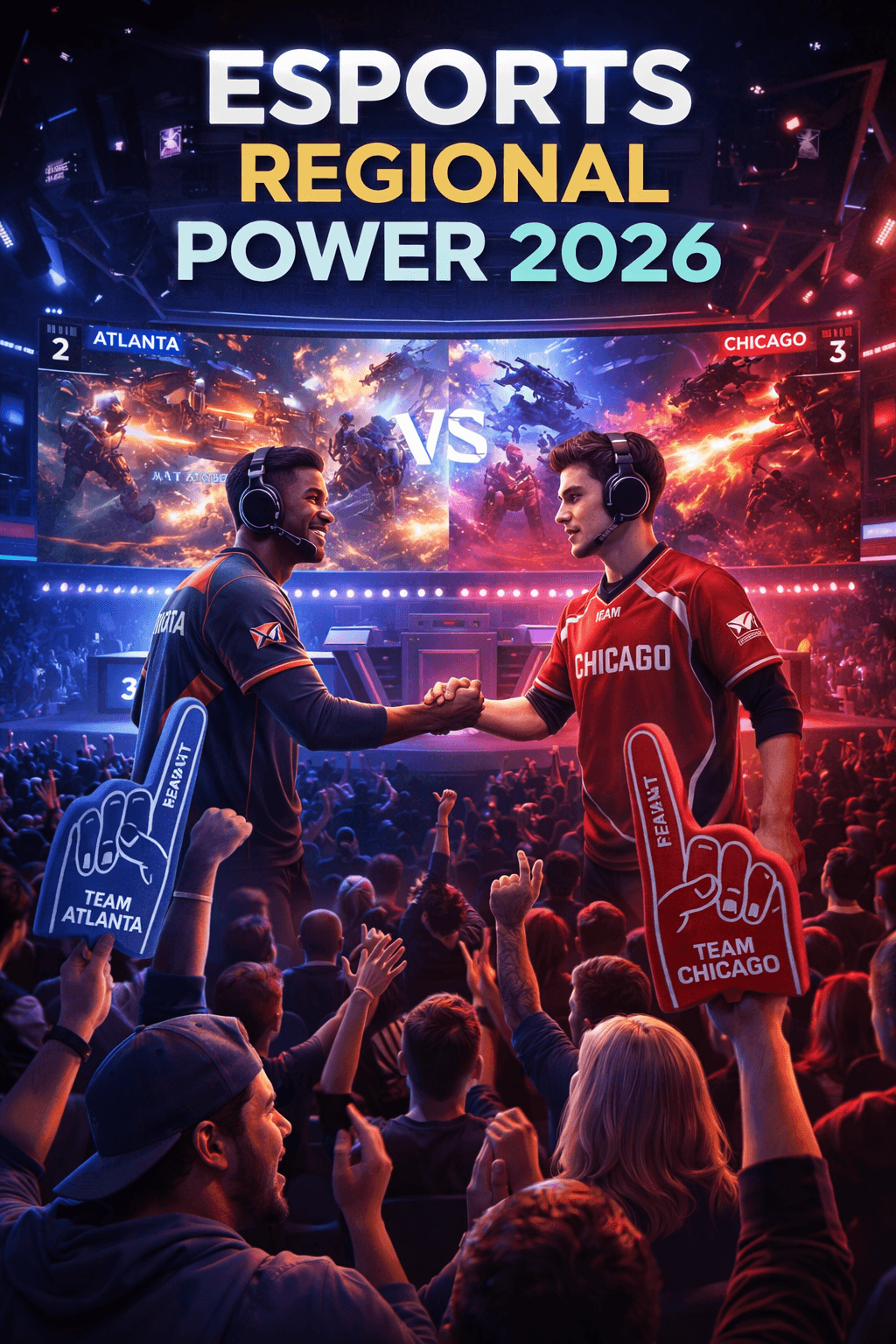
Franchise Valuations
Top esports organizations reached unprecedented valuations in 2026. T1 (League of Legends) valued at $380M, G2 Esports at $280M, and Cloud9 at $250M. Esports team valuations now compete with traditional professional sports franchises in some cases.
4. Esports Broadcasting and Media Rights
2026 saw traditional sports broadcasters and mainstream media platforms acquiring esports broadcasting rights, establishing esports as legitimate media content category.
Media Rights Developments 2026:
Mainstream TV Broadcasting — ESPN, Sky Sports, and mainstream sports networks broadcast esports tournaments. League of Legends Worlds appeared on ESPN2, reaching mainstream American audiences.
Streaming Platform Exclusives — Twitch maintained dominance as primary esports streaming platform with 95M monthly active users. YouTube Gaming, Facebook Gaming, and regional platforms expanded esports content.
International Broadcasting — Tournament organizers sold regional broadcasting rights, enabling 15+ language broadcasts and localized commentary simultaneously.
Media Rights Fees — League of Legends Worlds media rights sold for $98M (franchise league rights globally). Valorant regional rights commanded $20-40M per region. These fees approached major sports properties.
Sponsorship Integration — Nike, Red Bull, Monster Energy, and mainstream brands purchased esports tournament sponsorships. Main stages featured branded integration comparable to traditional sports broadcasting.
5. Youth Development and Collegiate Esports
Collegiate esports reached mainstream acceptance in 2026, with universities establishing esports scholarships, dedicated facilities, and competitive programs matching traditional sports infrastructure.
Collegiate Esports Growth
6. Esports Betting Integration
2026 saw significant esports betting integration, with regulated sports betting platforms offering esports markets alongside traditional sports betting.
Esports Betting Integration 2026:
Regulatory Framework — Major jurisdictions (UK, Canada, Australia, parts of Europe) established regulatory frameworks for esports betting, legitimizing the market.
Betting Volume — Esports betting generated $8.3B in wagering volume globally—representing 4.2% of total sports betting market.
Match Fixing Concerns — Despite growth, integrity concerns arose regarding match-fixing and insider information, leading to establishment of esports integrity commissions.
Player Compensation — Some betting platforms provided revenue-sharing with esports organizations and players, creating supplemental income streams.
7. Emerging Esports Titles and Scene Diversity
Beyond traditional esports titles, new games and emerging competitive scenes developed substantial following and professional ecosystems.
| Game Title | Year Released/Esports | Prize Pools | Professional Players | Growth Rate |
|---|---|---|---|---|
| Palworld Competitive | 2024/2026 | $4.2M | 200 | Explosive growth |
| Helldivers 2 Esports | 2024/2026 | $2.8M | 150 | Strong growth |
| Final Fantasy XIV Raid Tournament | 2014/2026 | $3.5M | 300 | Niche but dedicated |
| Overwatch 2 Competitive League | 2022/2026 | $18M | 600 | Stabilized growth |
| Pokemon Competitive VGC | Ongoing/2026 | $5.2M | 400 | Steady growth |
8. Player Wellness and Support Infrastructure
2026 saw increased attention to player wellness, mental health, and support infrastructure within professional esports.
Player Support Initiatives 2026:
Mental Health Services — Major esports organizations provided sports psychologists, mental health support, and counseling services to professional players.
Player Unions — Formal esports player unions established in several regions, negotiating player compensation, benefits, and working conditions.
Burnout Prevention — Tournament schedules reduced to prevent excessive player burnout. Rest weeks and maximum tournament frequency established.
Injury Prevention — Sports medicine experts, physical therapists, and ergonomic specialists addressed repetitive strain injuries and postural issues.
Longevity Programs — Training regimens extended professional careers from 3-4 years to 6-8 years through improved conditioning and wellness programs.
Conclusion: Esports as Established Professional Sport
2026 established esports as legitimate professional entertainment and competitive ecosystem rivaling traditional sports in infrastructure, viewership, prize pools, and mainstream media integration. The question is no longer whether esports will achieve mainstream status—it has. The focus shifts to ensuring sustainable growth, institutional stability, and player welfare as the esports industry matures.
🎮 **Get the Full 2026 Esports Tournament Calendar** — Schedule of major tournaments, prize pool information, team lineups, and viewership guides across all major platforms.
Share This Article
📤 Share This