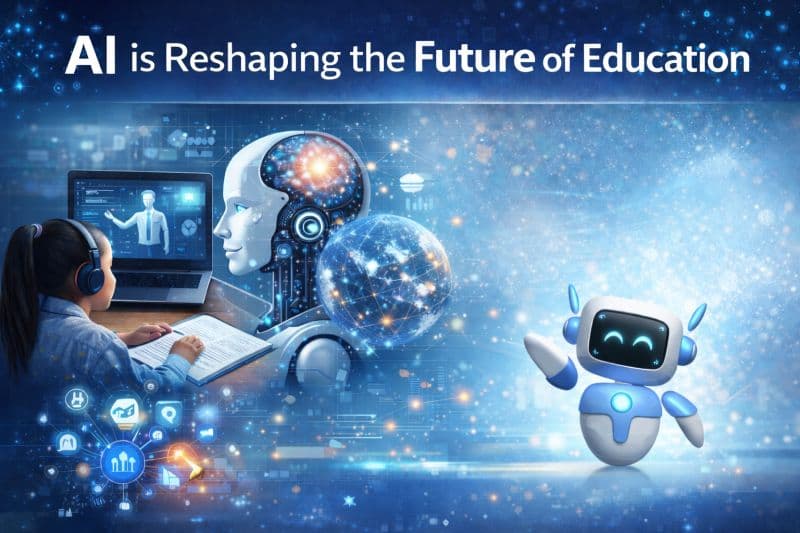
Introduction: EdTech Matures From Experiment to Mainstream
2026 establishes educational technology as mainstream learning infrastructure with 2.2 billion global online learners and $420B+ market value. Post-pandemic digital learning normalization created permanent structural shift—78% of students now preferring blended learning (combination of online and in-person) versus pure traditional classroom. March 2026 launches showcase mature innovation: AI tutors providing personalized 1:1 instruction at scale, adaptive learning platforms adjusting difficulty in real-time based on student performance, immersive VR/AR classrooms enabling experiential learning, and skill-focused platforms competing with traditional 4-year degrees. Regulatory frameworks increasingly recognizing digital credentials and micro-credentials as equivalent to traditional degrees. Whether analyzing education disruption, investing in learning innovation, or seeking skill development, 2026's edtech landscape demonstrates how technology democratizes quality education access globally while enabling personalized learning paths previously impossible at scale.
Pro Tip
👉 Key Insight: 2026 edtech consolidation visible—mega-winners (Coursera, Udemy, Duolingo) consolidating market while thousands of specialized startups thriving in niche categories (coding bootcamps, professional certification, language learning). Education becoming software-driven industry.
1. AI-Powered Tutoring and Personalized Learning Platforms
AI tutors and adaptive learning platforms providing personalized 1:1 instruction at scale, matching human tutor effectiveness at fraction of cost.
| Platform | Valuation (₹) | Users (Millions) | AI Focus | Learning Model | Founded | Market Position |
|---|---|---|---|---|---|---|
| Coursera | ₹150,000+ Crore (public) | 100+ million learners | Personalized learning paths, AI recommendations | University partnerships, degree programs | 2012 | Market leader, B2C and B2B |
| Duolingo | ₹200,000+ Crore (public) | 500+ million downloads, 100M+ active | AI language learning, gamification | Bite-sized lessons, adaptive difficulty | 2011 | Language learning leader, profitability |
| Khan Academy | ₹40,000+ Crore (non-profit) | 180+ million students served | Mastery-based learning, AI personalization | K-12 math, science, humanities focus | 2008 | Global K-12 education leader |
| Tutor.com | ₹30,000+ Crore | 30+ million students | AI + human tutors hybrid model | On-demand tutoring, 24/7 availability | 1998 | School and parent focus |
| Chegg | ₹80,000+ Crore (public) | 15+ million subscribers | AI homework help, practice problems | Textbook rentals, AI tutoring hybrid | 2005 | College student focus |
| 2U (edX parent) | ₹150,000+ Crore (public) | 40+ million learners | University partnerships, degree programs | Online degrees, professional certificates | 2008 | University partnership model |
| Squirrel AI | ₹50,000+ Crore | 10+ million Chinese students | AI adaptive learning engine, personalization | K-12 math focus in China | 2016 | Asia K-12 leader |
| Century Tech | ₹8,000+ Crore | 2+ million students | AI learning science platform | Adaptive lessons, teacher dashboards | 2014 | European K-12 focus |
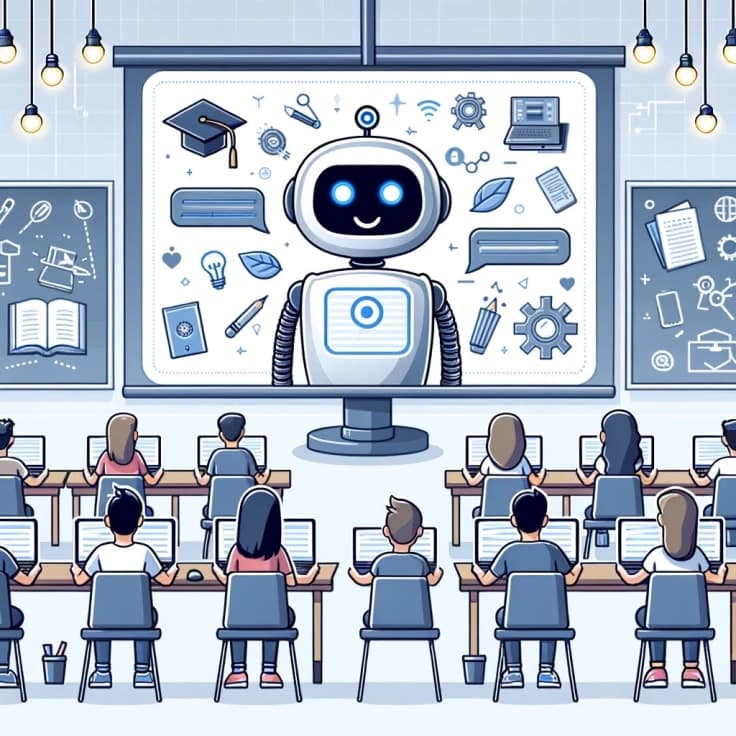
AI Tutoring Leaders
2. Coding Bootcamps and Technical Skills Training
Coding bootcamps and technical training platforms providing alternative career pathways competing with traditional computer science degrees.
| Bootcamp | Valuation (₹) | Graduates Annually | Focus Area | Placement Rate | Founded | Market Position |
|---|---|---|---|---|---|---|
| General Assembly | ₹50,000+ Crore (Chegg subsidiary) | 50,000+ graduates | Web development, UX/UI, data science | 85%+ job placement | 2011 | Market leader acquired |
| Springboard | ₹20,000+ Crore | 10,000+ graduates | Tech skills, career switching, part-time option | 90%+ placement within 6 months | 2013 | Flexible learning model |
| Coding Dojo | ₹18,000+ Crore | 8,000+ graduates | Full-stack development, data science | 85%+ placement rate | 2013 | Immersive bootcamp model |
| Ironhack | ₹25,000+ Crore | 15,000+ graduates | Web development, UX/UI, data analytics | 85%+ job placement | 2013 | Global bootcamp network |
| Treehouse | ₹12,000+ Crore | Subscription-based learners | Web development, mobile development | Self-paced alternative | 2011 | Subscription model |
| Lambda School (now BloomTech) | ₹15,000+ Crore | 5,000+ graduates | Full-stack development, data science | 80%+ placement | 2017 | Income share agreement model |
| Flatiron School (WeWork) | ₹20,000+ Crore | 5,000+ graduates | Software engineering bootcamp | 85%+ placement | 2012 | NYC-founded, global expansion |
| CareerFoundry | ₹10,000+ Crore | 3,000+ graduates | UX/UI design, web development | 87%+ employment rate | 2013 | European bootcamp focus |

Coding Bootcamp Disruption
3. Professional Certification and Upskilling Platforms
Professional certification platforms enabling career advancement and skill development competing with traditional MBA and professional degree programs.
| Platform | Valuation (₹) | Learners (Millions) | Focus Area | Certification Type | Founded | Market Position |
|---|---|---|---|---|---|---|
| Udacity | ₹80,000+ Crore (private) | 20+ million learners | Data science, AI, cloud, autonomous vehicles | Professional nanodegrees | 2011 | Professional upskilling leader |
| Pluralsight | ₹150,000+ Crore (public) | 15+ million users | Tech skills, software development, IT | Industry certifications, learning paths | 2004 | Enterprise training market leader |
| LinkedIn Learning (Microsoft) | ₹500,000+ Crore (Microsoft division) | 1 billion potential users | Professional development, business skills | Certificate programs, skill badges | 2002 | Professional network integration |
| Skillshare | ₹25,000+ Crore | 35+ million learners | Creative skills, entrepreneurship, lifestyle | Project-based learning certificates | 2011 | Creative skills focus |
| MasterClass | ₹35,000+ Crore | 1+ million subscribers | Celebrity teachers, various subjects | Subscription-based mastery | 2015 | Premium content positioning |
| Udemy | ₹250,000+ Crore (private, IPO planned) | 75+ million learners | Broad skill development, professional topics | User-generated courses, certificates | 2010 | Largest course marketplace |
| Coursera Professional | ₹150,000+ Crore (part of Coursera) | Corporate learners | Enterprise skill development, upskilling | Company training focus | Coursera division | B2B enterprise focus |
| A Cloud Guru | ₹50,000+ Crore (Linux Academy acquired) | 5+ million learners | Cloud certifications, hands-on labs | AWS, Azure, GCP certifications | 2012 | Cloud skills specialist |
Professional Certification Disruption
4. Immersive Learning: VR/AR Educational Experiences
Immersive learning platforms using VR/AR technology creating experiential education enabling visceral learning impossible in traditional classrooms.
| Platform | Valuation (₹) | Students Using (Thousands) | Technology | Subject Focus | Founded | Adoption Status |
|---|---|---|---|---|---|---|
| zSpace | ₹30,000+ Crore | 100,000+ students | AR desktop classroom, 3D visualization | STEM, anatomy, engineering | 2007 | School adoption growing |
| Labster | ₹40,000+ Crore | 50,000+ students globally | VR lab simulations, hands-on science | Biology, chemistry, physics labs | 2013 | University and high school adoption |
| Engage Learning | ₹15,000+ Crore | 100,000+ students | VR classroom experiences, immersive learning | History, science, language learning | 2014 | European school adoption |
| CoSpaces Edu | ₹12,000+ Crore | 5+ million students | VR creation platform, 3D content creation | STEM, creativity, storytelling | 2012 | K-12 creation focused |
| IMRSV (Immersive) | ₹8,000+ Crore | 50,000+ users | VR training simulations, professional development | Medical, industrial, military training | 2013 | Professional/medical training focus |
| Kickbox Learning | ₹5,000+ Crore | 100,000+ students | VR science simulations, virtual labs | STEM laboratory experiences | 2015 | Science education specialist |
| Unimersiv | ₹4,000+ Crore | 2+ million learners | VR educational experiences platform | History, science, culture, language | 2015 | Consumer VR learning |
| Microsoft Immersive Reader | ₹500,000+ Crore (Microsoft) | Schools globally | AR/AI reading assistance, accessibility | Reading support, dyslexia aid | 2017 | Accessibility innovation |
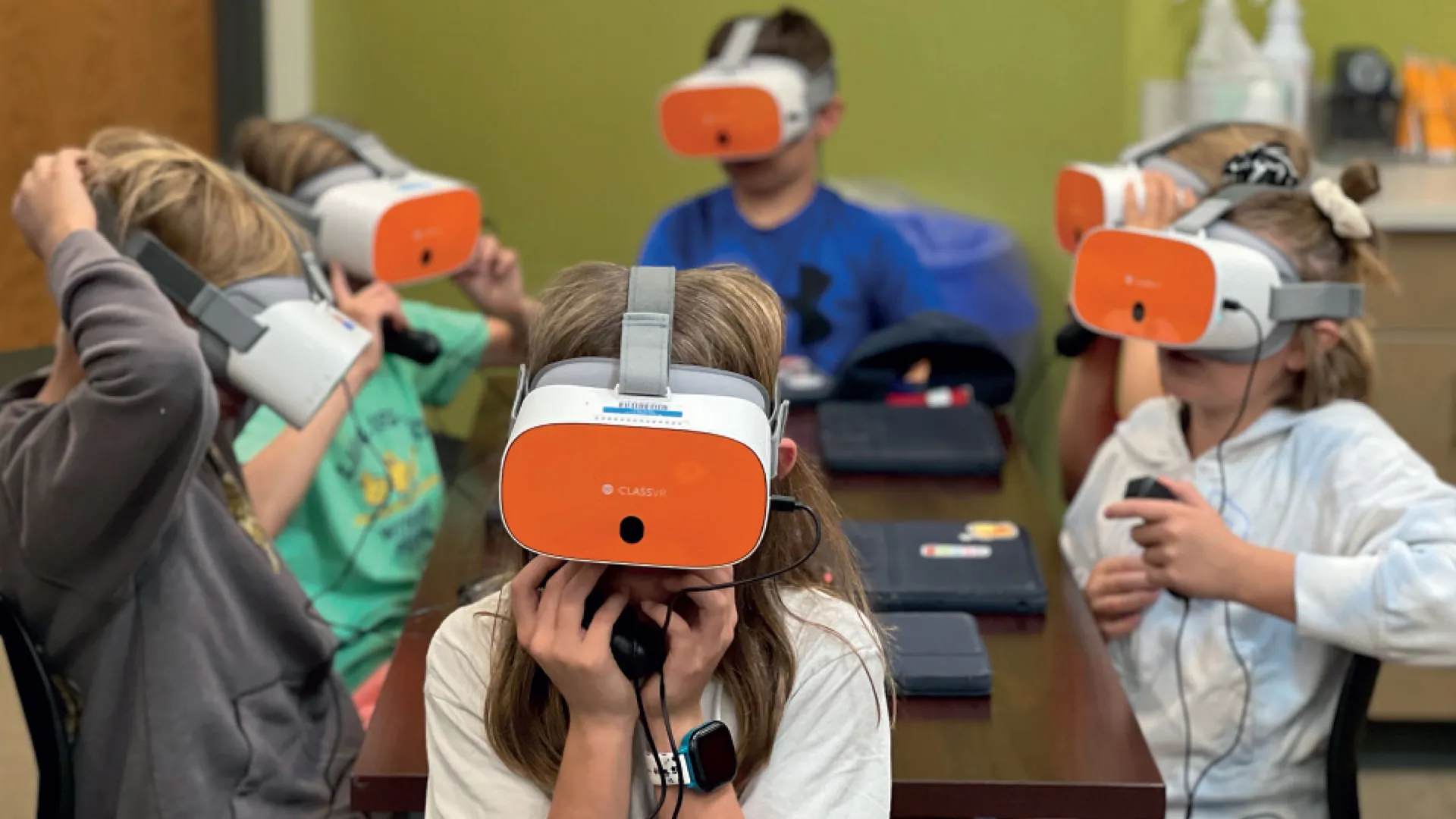
Immersive Learning Potential
5. EdTech for K-12 and Elementary Education
K-12 focused platforms disrupting traditional schooling with blended learning models, personalized instruction, and online education at scale.
| Platform | Valuation (₹) | Students (Millions) | Grade Focus | Learning Model | Founded | Market Position |
|---|---|---|---|---|---|---|
| Byju's | ₹200,000+ Crore (private, profitability challenged) | 150+ million learners | K-12 India-focused | AI personalization, bite-sized videos | 2011 | India edtech leader, troubled |
| VIPKid | ₹80,000+ Crore | 1+ million students | English language learning (children) | Online 1:1 tutoring with native speakers | 2013 | Asian English learning leader |
| Outschool | ₹25,000+ Crore | 500,000+ learners | K-12 enrichment, skills, hobbies | Peer-to-peer tutoring marketplace | 2015 | Enrichment and skills focus |
| Unacademy | ₹100,000+ Crore (private) | 100+ million users | K-12 and test prep (India) | Live classes, recorded lectures | 2015 | India test prep leader |
| Age of Learning (ABCmouse) | ₹50,000+ Crore | 10+ million subscribers | Preschool to early elementary | Comprehensive early learning curriculum | 2010 | Early childhood leader |
| IXL Learning | ₹80,000+ Crore (acquired Rosetta Stone) | 90+ million users | K-12 personalized learning | Adaptive practice, comprehensive curriculum | 2007 | K-12 skills practice leader |
| Edmodo | ₹40,000+ Crore | 150+ million users | K-12 classroom platform | Virtual classroom, student engagement | 2008 | Teacher and student collaboration |
| MobyMax | ₹15,000+ Crore | 30+ million students | K-8 personalized learning | AI-powered adaptive learning | 2012 | Elementary personalization specialist |
K-12 EdTech Disruption
6. Language Learning and EdTech Specialization
Language learning platforms dominating edtech specialization with AI-powered personalization and gamification driving engagement and outcomes.
| Platform | Valuation (₹) | Users (Millions) | Languages Offered | Learning Model | Founded | Market Position |
|---|---|---|---|---|---|---|
| Duolingo | ₹200,000+ Crore (public) | 500+ million downloads | 40+ languages | Gamified bite-sized lessons, AI adaptive | 2011 | Market leader, profitable public |
| Babbel | ₹80,000+ Crore | 100+ million learners | 14 languages | Structured curriculum, interactive lessons | 2007 | Premium subscription model |
| Rosetta Stone (IXL acquisition) | ₹50,000+ Crore | 20+ million learners | 30+ languages | Immersive method, proprietary AI | 1992 | Legacy brand, IXL integration |
| Mondly | ₹40,000+ Crore | 100+ million downloads | 41 languages | AI conversations, AR lessons, gamification | 2013 | Conversation-focused learning |
| Busuu | ₹30,000+ Crore | 120+ million users | 13 languages | Social learning, native speaker feedback | 2008 | Community-based learning |
| Memrise | ₹25,000+ Crore | 80+ million learners | 40+ languages | Spaced repetition, AI memory optimization | 2010 | Memory science focus |
| Lingoda | ₹20,000+ Crore | 500,000+ students | 4 languages (EU focus) | Live online classes, professional teachers | 2013 | Live class premium option |
| HelloTalk | ₹15,000+ Crore | 50+ million users | 150+ languages | Language exchange, peer-to-peer learning | 2014 | Language exchange community |
Language Learning Market Leadership
7. EdTech Funding and Market Consolidation
EdTech funding and acquisition patterns reveal market consolidation with mega-winners dominating while thousands of specialized startups acquired or failed.
| Trend | 2020 Reality | 2026 Reality | Driver | Market Impact |
|---|---|---|---|---|
| Startup Funding | ₹80,000 Crore annually | ₹50,000-60,000 Crore (selective focus) | Capital discipline post-hype cycle | Profitability focus increasing |
| Mega-Rounds | Occasional (₹5,000+ Crore) | Standard for leaders (₹5,000-15,000 Crore) | Winners consolidating scale | Concentration in best-positioned |
| Profitability Focus | Distant (10+ year horizon) | 2-3 year requirement for funding | Investor return focus evident | Unprofitable startups struggling |
| Consolidation M&A | Feature acquisitions | Mega-acquisitions (₹5,000-50,000+ Crore) | Larger platforms acquiring competitors | Ecosystem consolidation visible |
| Public Companies | Few edtech IPOs | Coursera, Duolingo, Udemy, Chegg, Pluralsight public | Profitability enabling exits | Stock market validation of models |
| Geographic Expansion | US/Europe dominated | Asia edtech boom (Byju's, Unacademy in India) | Emerging market opportunity vast | Growth rates 80-100% in Asia |
| User Engagement | 20-30% completion rates | 70-90% for gamified platforms (Duolingo) | Gamification and AI engagement | Learning quality improving |
| Specialization Trend | Generalist platforms | Niche specialists (coding, languages, professional) | Market fragmentation by use case | Specialists outperforming generalists |
EdTech Market Consolidation
8. EdTech Challenges and Adoption Barriers
EdTech sector faces significant adoption barriers despite market opportunity—education system inertia, teacher resistance, and policy challenges limiting growth.
Major EdTech Challenges:
Education System Inertia — 100+ year-old institution resistant to change:
- ✓Teacher union resistance to technology disruption
- ✓Traditional curriculum governance limiting innovation
- ✓Standardized testing misaligned with digital learning
- ✓Policy requirements preventing digital-only options
- ✓Budget constraints limiting technology investment
Teacher Resistance and Workforce Concerns:
- ✓Job displacement fears (automation threatening employment)
- ✓Technology competency barriers (training required)
- ✓Workflow disruption (learning new systems)
- ✓Loss of control (algorithms determining instruction)
- ✓Workload concerns (technology adding rather than reducing)
- ✓Compensation not increasing for technology adoption
Quality and Learning Outcome Concerns:
- ✓Efficacy not universally proven (mixed research results)
- ✓Screen time concerns (excessive device usage)
- ✓Social interaction limitations (especially for younger students)
- ✓Accessibility gaps (internet access, device inequality)
- ✓Content quality variability (especially user-generated)
- ✓Accreditation uncertainty (credential recognition)
Digital Access Inequality:
- ✓₹5+ billion students lacking reliable internet
- ✓Device costs prohibitive in developing countries
- ✓Rural communities underserved
- ✓Low socioeconomic status creating digital divide
- ✓Promises of democratization hollow for underserved
Regulatory and Policy Challenges:
- ✓Data privacy regulations (FERPA, COPPA, GDPR)
- ✓Accreditation requirements for degrees
- ✓Teacher licensing preventing online teacher hiring
- ✓State-by-state regulatory fragmentation
- ✓International credential recognition lacking
Learning Outcome and Engagement Issues:
- ✓20-30% completion rates for free online courses (despite improvements)
- ✓Motivation sustainability challenges beyond gamification
- ✓Screen fatigue after years of online learning
- ✓Long-term retention concerns despite initial engagement
- ✓Personalization creating echo chambers and reduced breadth
Market Saturation and Competition:
- ✓10,000+ edtech startups competing
- ✓Difficult customer acquisition (schools have fixed budgets)
- ✓Long sales cycles for school adoption (1-2 years typical)
- ✓Profitability challenges despite scale (Byju's cautionary tale)
- ✓Teacher and administrator skepticism of edtech value
Equity and Accessibility Concerns:
- ✓Geographic inequality (rural areas underserved)
- ✓Socioeconomic inequality (device and internet access)
- ✓Disability accessibility challenges (captioning, screen readers)
- ✓Language diversity (global platforms often English-only)
- ✓Cultural relevance (Western-centric curriculum dominance)
9. EdTech Investment Opportunities and Selection Framework
Identifying promising edtech investment opportunities requires understanding learning science validation, market adoption barriers, and business model sustainability.
EdTech Investment Framework
1. Learning Science Validation
2. Market Opportunity
3. User Engagement and Retention
4. Business Model Viability
5. Technology and Innovation
6. Team and Execution
1. Professional upskilling (corporate training, career advancement)
2. Language learning (gamification proven, profitability achieved)
3. Coding/technical skills (clear career ROI, bootcamp model proven)
4. Specialized K-12 tutoring (supplemental, not replacement)
5. Test prep (clear outcomes measurement, willing-to-pay students)
Conclusion: EdTech Transforms Learning Infrastructure
2026 establishes digital education as mainstream learning infrastructure with 2.2 billion global online learners and $420B+ market value. Blended learning (78% student preference) becoming education standard versus pure online or traditional. AI personalization, adaptive learning, and gamification driving engagement and outcomes 20-50% improvements. Coding bootcamps graduating 200,000+ annually competing with 4-year CS degrees. Professional certification platforms disrupting MBA and corporate training. Language learning (Duolingo) achieving profitability and public company status. Immersive VR/AR enabling experiential education impossible in traditional classrooms. Consolidation visible with mega-winners (Coursera, Duolingo, Udemy) controlling market while thousands of specialized startups thriving in niches. Regulatory frameworks increasingly recognizing digital credentials and micro-credentials as equivalent to traditional degrees. Tech giants (Google, Microsoft, Apple) entering education threatening pure-play edtech startups. Future education increasingly software-driven, AI-personalized, and globally accessible. Investment opportunities concentrated in learning science validation, measurable outcomes, sustainable business models, and specialization advantages. Overall education system transformation from one-size-fits-all classroom instruction toward personalized, technology-enabled, outcome-focused learning enabling individual potential development at scale.
📚 **Download the Complete EdTech Investment Guide 2026** — Detailed startup profiles, learning science analysis, market opportunity assessment, and investment selection framework.
Share This Article
📤 Share This