Introduction: The Next Generation of CRM
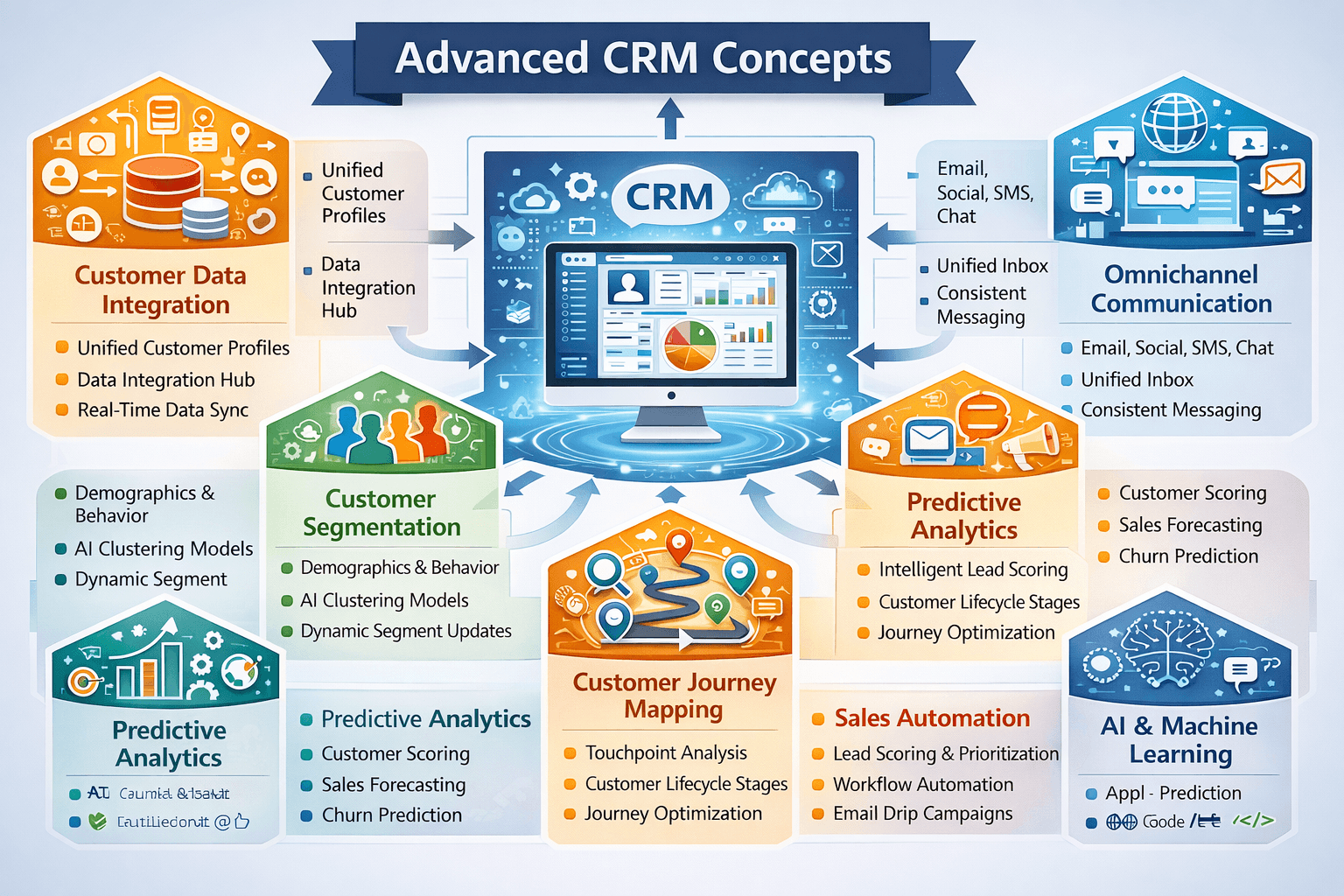
Basic CRM systems help you track contacts and deals. Advanced CRM leverages artificial intelligence, deep personalization, and omnichannel orchestration to create experiences that feel effortless and individualized. In this guide, we’ll explore three advanced concepts that are reshaping customer relationship management: AI‑powered insights, personalization using CRM data, and omnichannel customer experience. These capabilities transform your CRM from a record‑keeping tool into a proactive growth engine.
1. AI in CRM: Smarter Insights, Automated Actions
Artificial intelligence is no longer a futuristic add‑on—it’s a core component of leading CRMs. AI analyzes vast amounts of historical and behavioral data to surface predictions, automate tasks, and guide users toward optimal next steps.
Predictive lead scoring – AI models rank leads by conversion probability, helping sales teams prioritize the hottest opportunities. Example: A lead with multiple website visits and email engagement gets a score of 95, triggering an immediate sales alert. Revenue forecasting – Machine learning algorithms analyze pipeline velocity, win rates, and seasonality to generate highly accurate sales forecasts. No more manual spreadsheets. Next‑best‑action recommendations – For each customer interaction, AI suggests the most effective action (e.g., “Send case study,” “Schedule follow‑up call”) based on successful past patterns. Churn prediction – Identifies customers showing early warning signs (e.g., reduced logins, support tickets) so retention teams can intervene before cancellation. Automated data enrichment – AI fills missing fields (company size, industry, social profiles) using public data, saving hours of manual research. Conversational AI / Chatbots – AI‑powered bots handle routine support queries, book meetings, and qualify leads, escalating only complex issues to humans. Sentiment analysis – Analyzes email and chat language to gauge customer sentiment, flagging frustrated customers for immediate attention.
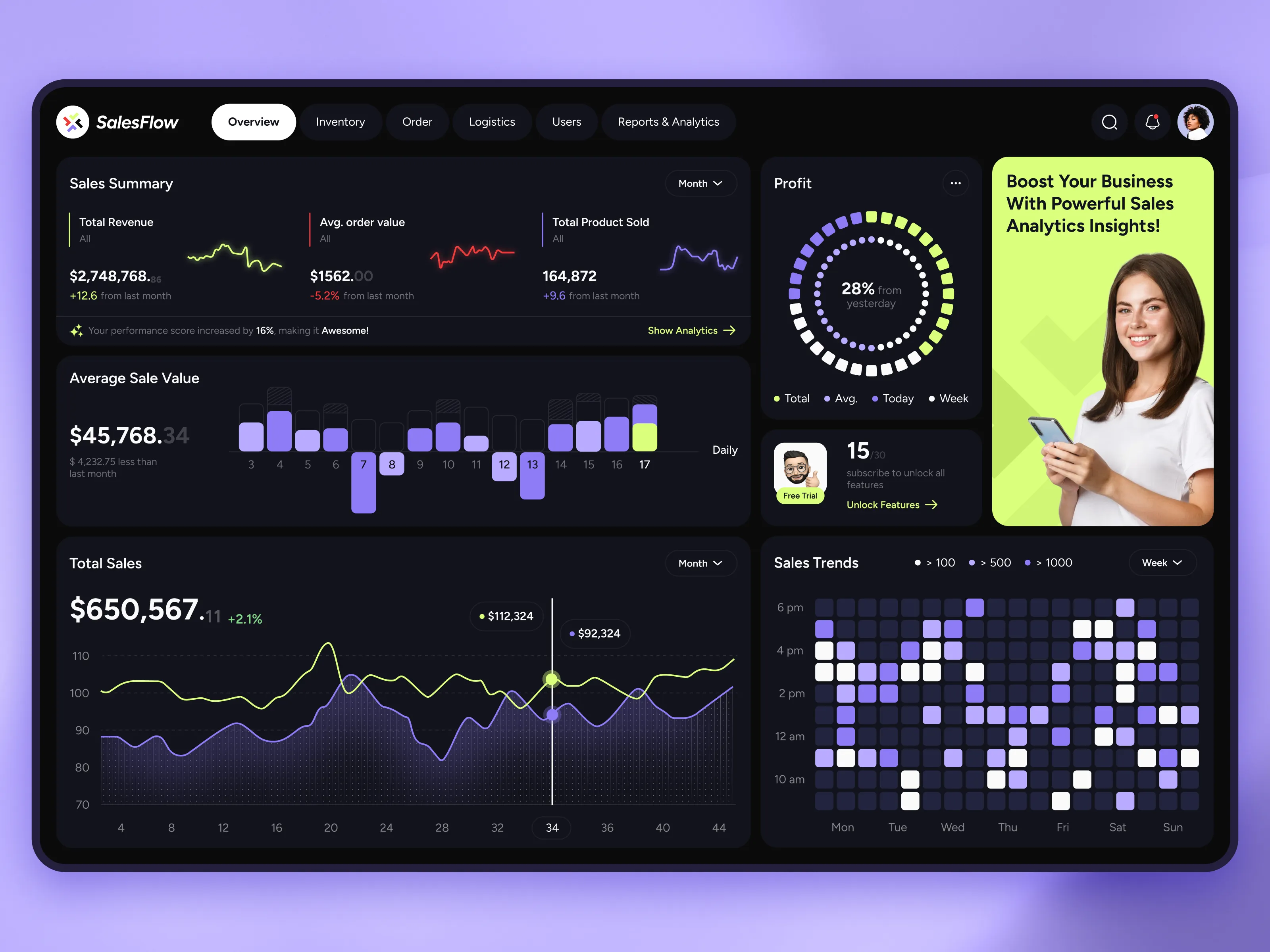
Real‑world example: A financial services firm integrated AI into their CRM. The AI analyzed 3 years of deal data to create a predictive model that identified the optimal time to contact each lead. Sales reps followed AI‑suggested outreach times, resulting in a 22% increase in meeting booking rates and a 15% shorter sales cycle.
2. Personalization Using CRM Data: From Segments to Individuals
Modern customers expect brands to know them. Personalization using CRM data goes beyond “Dear [First Name]”—it uses behavioral, transactional, and demographic data to tailor every interaction to the individual’s context and needs.
Unified customer profile – A 360° view that combines sales interactions, support tickets, marketing engagement, and product usage. Every team sees the same complete picture. Behavioral triggers – Send automated messages based on real‑time actions: abandoned cart, viewed pricing page, downloaded white paper, or product feature usage. Dynamic content – Emails, website landing pages, and even chat widgets adapt content based on CRM data. Example: A returning visitor sees recommendations based on past purchases. Predictive personalization – AI suggests products or content the customer is likely to need next, using collaborative filtering or past behavior. Personalized pricing & offers – Loyalty status, purchase history, and lifetime value determine which discounts or promotions are presented. Sales conversation context – When a sales rep calls, the CRM surfaces relevant information: recent website visits, support issues, and the last conversation summary. The rep can pick up exactly where the previous interaction left off. Account‑based personalization (ABM) – For B2B, coordinate personalized outreach across multiple stakeholders within the same account, ensuring consistent messaging.
| Data Source | Personalization Application | Example |
|---|---|---|
| Purchase history | Product recommendations | E‑commerce site shows “Customers who bought this also bought…” |
| Support tickets | Proactive outreach | CRM alerts account manager when a VIP customer opens a support ticket |
| Email engagement | Content tailoring | Lead who opened “case study” email receives follow‑up with similar case studies |
| Website behavior | Sales prioritization | Lead who visited pricing page 3x gets assigned to top sales rep immediately |
Real‑world example: An online travel agency used CRM data to personalize email campaigns. Instead of generic newsletters, they sent destination recommendations based on past trips, dynamic offers for hotels similar to previous stays, and timely reminders when a customer hadn’t booked a summer trip. The result: open rates increased by 41% and conversion rates by 29%.
3. Omnichannel Customer Experience: Seamless Across Every Touchpoint
Omnichannel means providing a consistent, connected experience across all channels—email, phone, chat, social media, in‑person, and more. The CRM acts as the central brain, ensuring context follows the customer regardless of how or where they engage.
Channel unification – All interactions from every channel are logged into the same customer record. Whether a customer tweets a question, emails support, or calls the sales line, the history is unified. Channel routing – Incoming messages (chat, email, social) are automatically routed to the right agent based on skill, language, or workload, with full context preserved. Cross‑channel orchestration – A single workflow can span multiple channels. Example: A customer abandons cart → receives an email reminder → clicks but doesn’t buy → receives an SMS with a discount → purchases. All steps tracked and attributed. Consistent branding & messaging – The tone, offers, and information are synchronized across channels, preventing contradictory experiences (e.g., a discount offered on email but not honored in‑store). Channel‑agnostic reporting – Measure performance across channels, understanding which combinations drive the highest lifetime value. Real‑time sync – If a customer changes their address on the website, it updates in CRM and immediately reflects in support and sales views. Offline‑online bridge – For brick‑and‑mortar, CRM integrates with POS systems to connect in‑store purchases to digital profiles. Sales associates can access customer history on tablets.
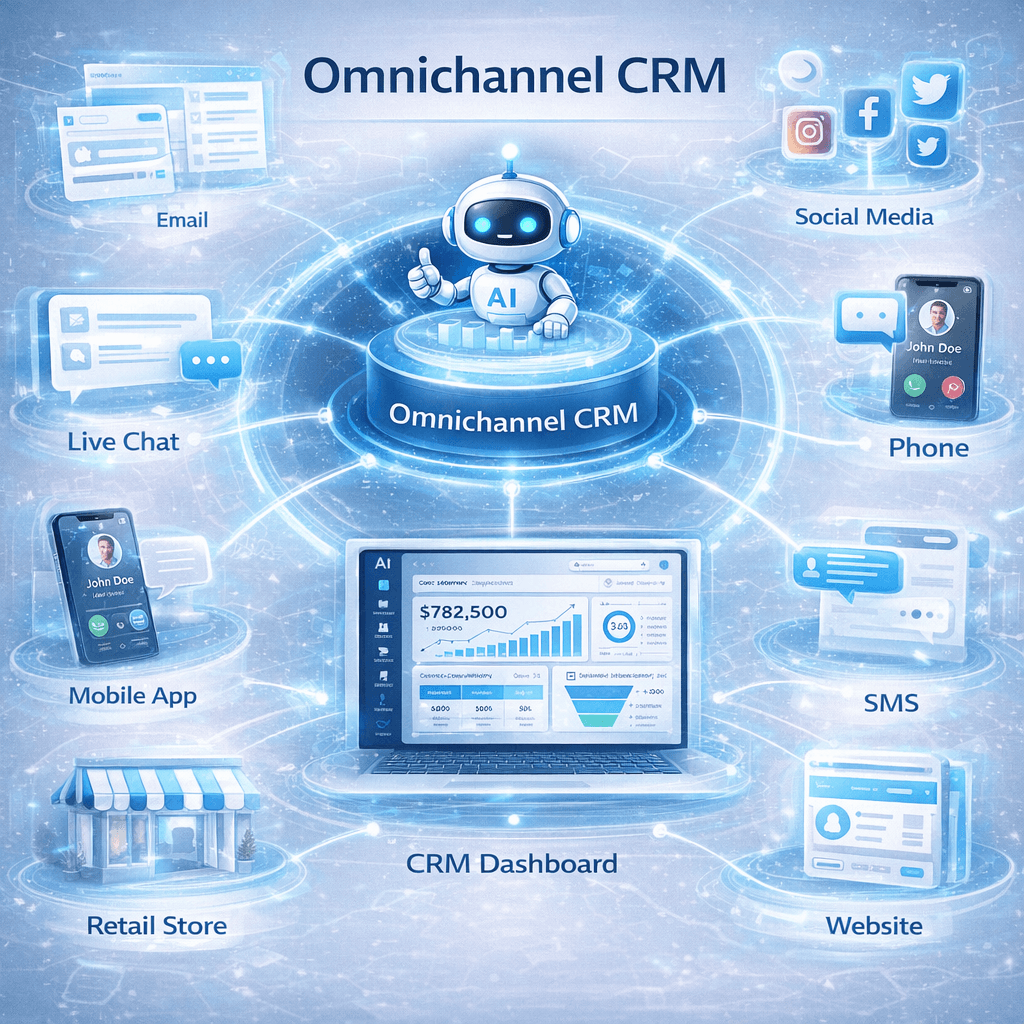
Real‑world example: A retail brand implemented an omnichannel CRM that connected their e‑commerce site, mobile app, and physical stores. A customer could browse online, save items to a wishlist, then visit a store where a sales associate, using a tablet, saw the wishlist and offered personalized assistance. After purchase, the CRM triggered a post‑purchase email with care instructions and a review request. Customer satisfaction scores rose by 35%, and average order value increased by 18%.
Implementing Advanced CRM Concepts: A Roadmap
1. Audit your data foundation – Advanced capabilities depend on clean, complete, and unified data. Invest in data hygiene and integration first. 2. Start with one AI use case – Choose a high‑impact area (e.g., lead scoring or churn prediction) and pilot it. Measure results before expanding. 3. Build a single customer view – Integrate all data sources (sales, marketing, support, product usage) into a unified profile. 4. Map the omnichannel journey – Identify key touchpoints and ensure data flows between them. Start with two or three channels, then expand. 5. Train teams on new capabilities – AI recommendations and personalization tools are only useful if teams know how to act on them. Provide ongoing training. 6. Measure experience metrics – Track Customer Satisfaction (CSAT), Net Promoter Score (NPS), Customer Effort Score (CES), and channel‑specific engagement to gauge success.
Conclusion: The Future of CRM Is Intelligent, Personal, and Omnipresent
Advanced CRM is about moving from reactive to predictive, from generic to personalized, and from siloed to seamless. AI gives you superhuman insights; personalization makes every interaction feel handcrafted; omnichannel ensures continuity wherever the customer goes. Together, these concepts create a customer experience that drives loyalty, reduces churn, and accelerates revenue. The journey starts with a solid data foundation and a willingness to embrace new capabilities. Those who invest in advanced CRM today will lead their industries tomorrow.
🚀 **Ready to take your CRM to the next level?** [Download our free Advanced CRM Playbook](/resources/advanced-crm-playbook) with implementation guides for AI, personalization, and omnichannel. Or, book a strategy session with our CRM transformation experts.
Share This Article
📤 Share This