Introduction: The New Science of Sleep
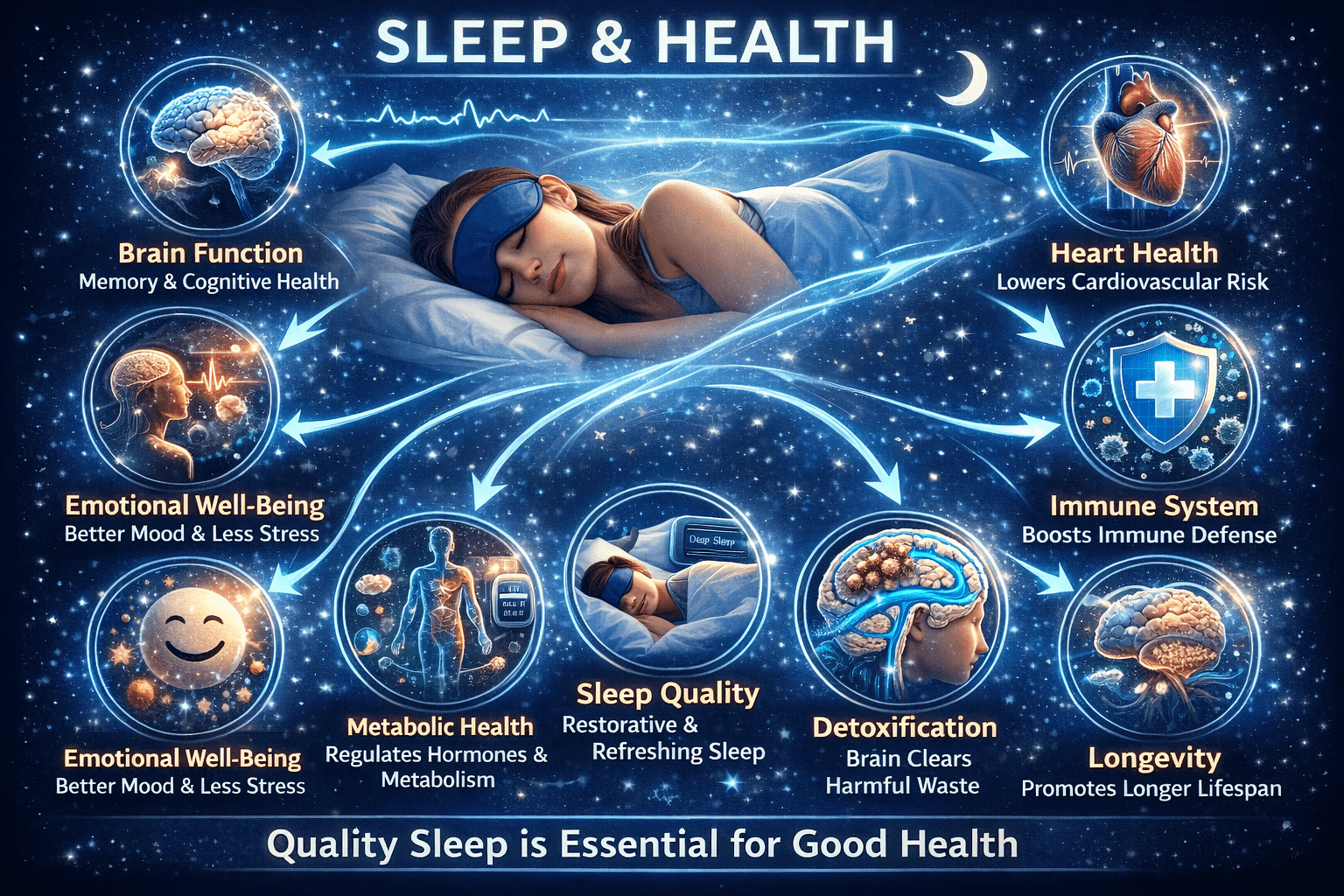
2026 represents a watershed moment in sleep health, as the field transitions from simple sleep hygiene to sophisticated, evidence-based interventions grounded in circadian neuroscience. With over 70 million Americans suffering from chronic sleep disorders, the $80 billion+ sleep health market has exploded—driven by an aging population, the recognition of sleep as the third pillar of health alongside diet and exercise, and a deeper understanding of sleep's role in nearly every aspect of human physiology. The paradigm has fundamentally shifted: sleep is no longer viewed as a passive state of rest, but as an active, dynamic process critical for neuroplasticity (memory consolidation, glymphatic clearance of amyloid-beta), metabolic regulation (glucose homeostasis, appetite control), immune function (cytokine production, infection resistance), and cardiovascular health (nocturnal dipping, endothelial repair). From FDA-cleared digital therapeutics for chronic insomnia to employer-sponsored sleep programs demonstrating 4:1 ROI, the evidence base is robust. Whether you're a clinician treating sleep disorders, a patient struggling with insomnia, a biohacker seeking optimal performance, or a corporate leader recognizing sleep's impact on productivity, 2026 offers unprecedented tools and understanding for mastering the science of restorative sleep.
Pro Tip
👉 Key Insight: The most significant shift in 2026 is the mainstream clinical adoption of CBT-I (Cognitive Behavioral Therapy for Insomnia) as the first-line treatment—more effective than sleeping pills without the risks of dependency. Digital therapeutics now offer scalable access, with reimbursement pathways making them as accessible as traditional therapy.
2. The Neuroscience of Sleep: Why It Matters
Sleep is not a single state but a highly orchestrated sequence of physiological processes. The two-process model (homeostatic sleep drive and circadian rhythm) governs sleep-wake cycles, with dysfunction in either leading to insomnia, hypersomnia, or circadian rhythm disorders. Understanding these mechanisms is key to targeted intervention.
| Sleep Stage/Biological Process | Physiological Function | Key Mechanisms | Clinical Consequences of Dysfunction | Measurement Tools | Optimization Strategies |
|---|---|---|---|---|---|
| Circadian Rhythm | Master biological clock (SCN), timing of sleep-wake, hormone release, temperature | Light entrainment, CLOCK genes, melatonin secretion (dim light melatonin onset - DLMO) | Insomnia, depression, metabolic syndrome, cardiovascular disease | Actigraphy, DLMO test, core body temperature, melatonin profiles | Morning light exposure (10,000 lux), consistent sleep-wake schedule, evening light avoidance (blue-blocking) |
| Sleep Drive (Process S) | Accumulation of adenosine, sleep pressure | Adenosine receptors (caffeine antagonism), glymphatic clearance | Difficulty falling asleep, fragmented sleep, excessive daytime sleepiness | Sleep latency, sleep efficiency, EEG slow-wave activity | Avoid caffeine 8-10 hours before bed, manage daytime naps, exercise timing |
| NREM Sleep (N3, Slow-Wave) | Physical restoration, glymphatic clearance, growth hormone release | Cerebrospinal fluid influx, metabolic waste clearance (amyloid-beta, tau) | Cognitive decline, Alzheimer's risk, physical fatigue, inflammation | EEG (slow-wave activity), polysomnography | Deep sleep enhancement: cooling bedroom (65-68°F), weighted blankets, acoustic stimulation (pink noise) |
| REM Sleep | Emotional processing, memory consolidation, creativity | Amygdala regulation, hippocampal-neocortical transfer, synaptic pruning | PTSD, emotional dysregulation, impaired learning | EEG (sawtooth waves), REM latency, REM density | Consistent schedule, avoid alcohol (suppresses REM), SSRI medications (can suppress REM) |
| Glymphatic System | Brain waste clearance, interstitial fluid exchange | Cerebrospinal fluid (CSF) influx during sleep, perivascular channels | Alzheimer's disease (amyloid-beta accumulation), neurodegeneration | CSF/ISF exchange rates (preclinical MRI) | Sleep position (side sleeping), sufficient NREM sleep duration, NSAIDs (may impair) |
| Autonomic Regulation | Nocturnal blood pressure dipping, heart rate variability | Parasympathetic dominance, sympathetic withdrawal | Non-dipper hypertension, cardiovascular risk, arrhythmias | HRV (RMSSD), ambulatory blood pressure monitoring | Sleep apnea treatment, stress reduction, consistent schedule |
The Glymphatic System: The Brain's Nightly Cleanup Crew
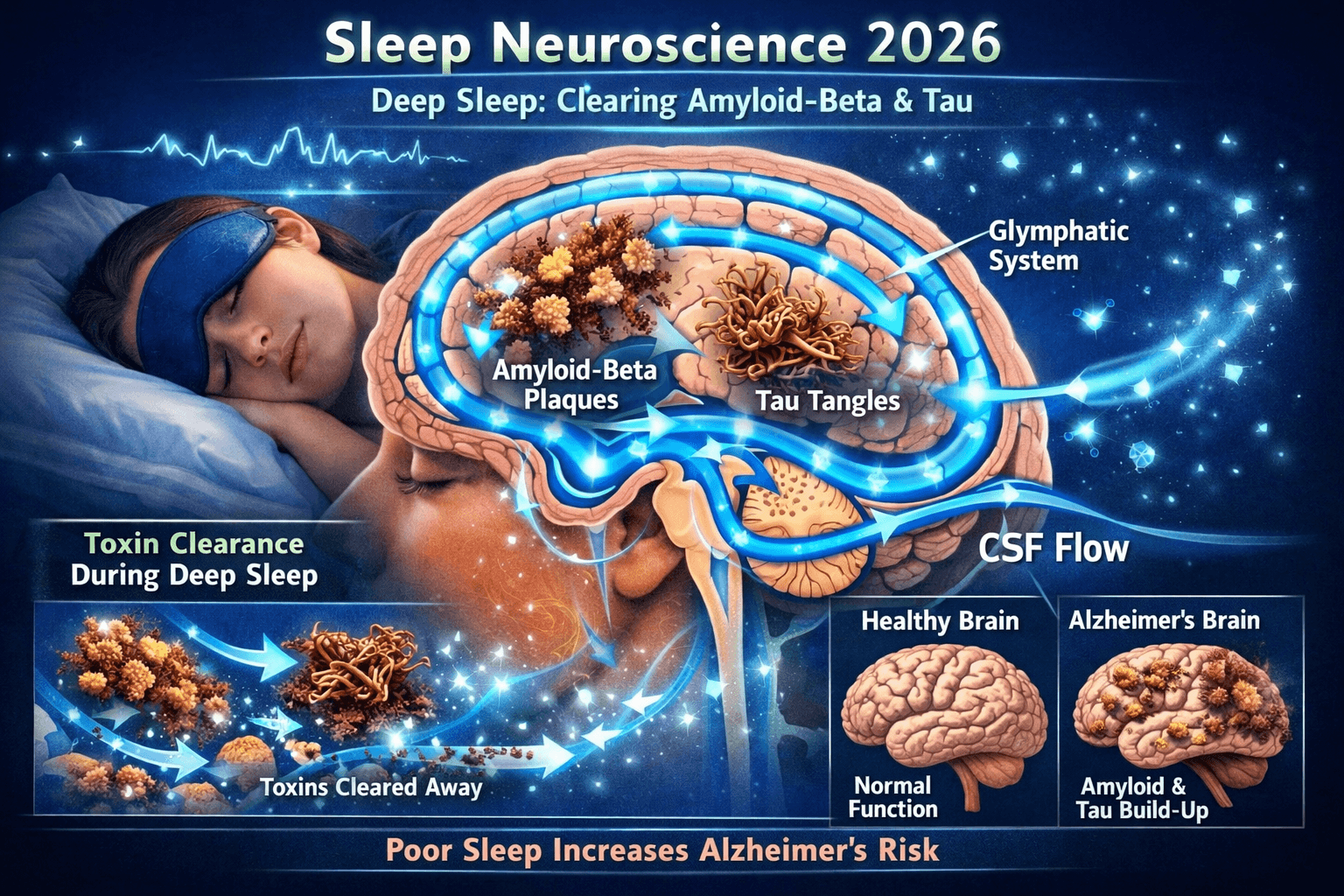
Discovered in 2012, the glymphatic system is one of the most critical sleep discoveries of the 21st century. During NREM sleep (especially deep N3 sleep), the brain's interstitial space expands by 60%, allowing cerebrospinal fluid (CSF) to flow through and clear metabolic waste products—including amyloid-beta and tau proteins, the hallmarks of Alzheimer's disease.
3. Insomnia and CBT-I: The Gold Standard
Insomnia—difficulty falling asleep, staying asleep, or non-restorative sleep—affects 30% of adults, with 10% meeting criteria for chronic insomnia disorder. Cognitive Behavioral Therapy for Insomnia (CBT-I) is now the first-line treatment, recommended by the ACP, AASM, and NICE guidelines, with efficacy surpassing pharmacotherapy.
| CBT-I Component | Description | Mechanism | Clinical Application | Evidence Level | Digital Delivery |
|---|---|---|---|---|---|
| Sleep Restriction | Limit time in bed to actual sleep time, gradually increase | Consolidates sleep, reduces time awake in bed, increases sleep drive | Initial insomnia, sleep maintenance insomnia | Strong (30+ RCTs) | Core component of all digital CBT-I programs (Sleepio, etc.) |
| Stimulus Control | Use bed only for sleep and sex; go to bed only when sleepy; leave bed if awake >20 min | Breaks association between bed/room and arousal | Psychophysiological insomnia, conditioned arousal | Strong (20+ RCTs) | Guided via app instructions and sleep diary |
| Sleep Hygiene | Consistent schedule, avoid caffeine/alcohol, optimize environment (dark, cool, quiet) | Reduces behavioral and environmental barriers to sleep | Mild-moderate insomnia; insufficient for moderate-severe | Moderate (essential component but insufficient alone) | Basic checklist feature in most apps |
| Cognitive Restructuring | Identify and challenge dysfunctional beliefs about sleep (e.g., 'I can't function without 8 hours') | Reduces performance anxiety, catastrophic thinking | Anxiety-driven insomnia, hyperarousal | Strong (15+ RCTs) | CBT-I programs include cognitive modules |
| Relaxation Techniques | Progressive muscle relaxation, deep breathing, mindfulness | Reduces physiological hyperarousal, sympathetic activation | Hyperarousal insomnia, anxiety | Moderate-strong (20+ RCTs) | Guided audio exercises in apps |
| Mindfulness for Insomnia (MBTI) | Mindfulness-based therapy adapted for insomnia | Decentering from sleep-related thoughts, acceptance | Insomnia with anxiety, refractory insomnia | Moderate (10+ RCTs) | Emerging digital programs |
CBT-I: Clinical Implementation
1. Session 1 (Assessment): Sleep diary (2 weeks baseline), insomnia diagnosis, psychoeducation, set goals
2. Session 2 (Sleep Restriction): Calculate time in bed based on sleep efficiency; sleep window calculation (total sleep time + 30 min)
3. Session 3 (Stimulus Control): Bed-sleep association; leave bed if awake >20 min; consistent wake time
4. Session 4 (Cognitive Therapy): Identify and challenge dysfunctional beliefs; cognitive restructuring
5. Session 5 (Relaxation): PMR, breathing, or mindfulness; address residual hyperarousal
6. Session 6-8 (Consolidation): Gradually expand sleep window; relapse prevention; maintenance
4. Circadian Rhythms: Light, Timing, and Chronotypes
Circadian rhythms—24-hour biological cycles driven by the suprachiasmatic nucleus (SCN)—govern sleep-wake timing, hormone release, body temperature, and metabolism. Disruption (shift work, jet lag, social jetlag) is associated with obesity, diabetes, cardiovascular disease, cancer, and mood disorders.
| Circadian Factor | Mechanism | Optimization Strategy | Clinical Applications | Measurement Tools | Evidence Level |
|---|---|---|---|---|---|
| Morning Light Exposure | Suppresses melatonin (phase advance); entrains SCN to day-night cycle | 10,000 lux light exposure for 30 min within 1 hour of waking | Delayed sleep phase (night owls), seasonal affective disorder | Lux meter, light therapy glasses (Luminette, etc.) | Strong (50+ studies) |
| Evening Light Avoidance | Light after sunset suppresses melatonin, delays sleep onset | Blue-blocking glasses 1-2 hours before bed; dim lights (red spectrum) | Delayed sleep phase, difficulty falling asleep | Actigraphy, sleep diary, DLMO | Moderate-strong (20+ studies) |
| Meal Timing | Time-restricted feeding (TRF) aligns metabolism with circadian rhythms | Eat within 8-12 hour window; avoid eating 2-3 hours before bed | Circadian disruption, metabolic syndrome, shift work | Glucose monitoring, actigraphy | Moderate (10+ RCTs) |
| Exercise Timing | Exercise phase-advances or -delays circadian clock based on timing | Morning exercise phase-advances; evening exercise may delay | Circadian misalignment, insomnia (caution with late intense exercise) | Core body temperature, actigraphy | Moderate (15+ studies) |
| Chronotype Alignment | Individual differences in circadian phase (morning lark vs night owl) | Align sleep schedule with chronotype; strategic light exposure to shift | Delayed sleep phase, advanced sleep phase, social jetlag | MEQ (Morningness-Eveningness Questionnaire), DLMO | Moderate-strong (20+ studies) |
| Melatonin Supplementation | Exogenous melatonin shifts circadian phase; sleep-promoting effects minimal | 0.5-5 mg taken 1-2 hours before desired sleep time (phase delay); 30-60 min before (phase advance) | Delayed sleep phase, jet lag, shift work; not chronic insomnia | DLMO, actigraphy | Moderate (100+ studies; phase-shifting well-established) |
| Temperature Regulation | Core body temperature drop (~0.5°C) required for sleep onset | Cool bedroom (65-68°F/18-20°C); warm bath 1-2 hours before bed | Difficulty falling asleep, sleep maintenance | Core body temperature, skin temperature | Moderate (15+ studies) |
Circadian Optimization Protocols
Light is the primary Zeitgeber ("time-giver") for the circadian system. Morning light exposure advances the circadian clock, promoting earlier sleep onset and wake times.
Light after sunset suppresses melatonin (the "darkness hormone"), delaying sleep onset by 30-90 minutes.
Circadian clocks in the liver, pancreas, and gut regulate metabolism. Eating outside the active phase disrupts glucose homeostasis.
5. Sleep Apnea and Breathing Disorders
Obstructive sleep apnea (OSA)—repeated upper airway collapse during sleep—affects 25% of adults, with 80% undiagnosed. OSA is associated with hypertension, cardiovascular disease, stroke, cognitive impairment, and mortality. 2026 brings advanced diagnostics, improved therapies, and recognition of OSA as a critical public health issue.
| OSA Severity (AHI) | Diagnostic Criteria | Symptoms | Health Risks | Treatment Options | Adherence/Effectiveness |
|---|---|---|---|---|---|
| Mild (5-15 events/hour) | 5-15 apneas/hypopneas per hour of sleep | Snoring, daytime sleepiness, fatigue, morning headache | Hypertension (OR 2-3x), cardiovascular risk modest increase | Positional therapy, oral appliance, lifestyle (weight loss), CPAP optional | Positional: effective if supine-predominant; oral appliance: 60-80% adherence |
| Moderate (15-30) | 15-30 events/hour | Loud snoring, witnessed apneas, excessive daytime sleepiness, cognitive fog | HTN (OR 3-5x), CVD risk 2-3x, stroke risk 2-3x | CPAP (first-line), oral appliance (alternative), weight loss, surgery | CPAP: 50-70% long-term adherence; effective with use |
| Severe (30+) | 30+ events/hour | Severe sleepiness (Epworth >12-15), cognitive impairment, nocturia, mood disturbance | HTN (OR 5-10x), atrial fibrillation (OR 4x), heart failure, stroke, mortality | CPAP (mandatory), weight loss (bariatric if BMI >35), surgery (UPPP, MMA), hypoglossal nerve stimulation | CPAP: 40-60% long-term adherence; mortality reduction with treatment |
| Central Sleep Apnea | Central apneas (no respiratory effort) | Insomnia, frequent awakenings, dyspnea, Cheyne-Stokes respiration (HF) | Heart failure, opioid use, stroke, altitude | Adaptive servo-ventilation (ASV), oxygen, acetazolamide, treat underlying | ASV contraindicated in HFrEF (increased mortality in SERVE-HF trial) |
Sleep Apnea: Clinical Update 2026
6. Digital Sleep Tracking and Wearables
Consumer sleep tracking has exploded, with 100M+ users of wearables (Apple Watch, Oura Ring, Fitbit, etc.) tracking sleep metrics. While these devices provide valuable insights, understanding their capabilities and limitations is critical for clinical application.
| Device/Platform | Users (Millions) | Sensors | Metrics Tracked | Accuracy (vs PSG) | Clinical Applications | Limitations |
|---|---|---|---|---|---|---|
| Apple Watch (Sleep Focus) | 100M+ (Apple ecosystem) | Accelerometer, heart rate (HR), oxygen saturation (SpO2), temperature | Sleep duration, sleep stages (D/NREM/REM), HR, HRV, respiratory rate | Moderate: 80-85% agreement for sleep/wake; 60-70% for stage classification | Population sleep trends, HRV (autonomic function), sleep consistency | Consumer-grade; not diagnostic for OSA; variable accuracy across individuals |
| Oura Ring | 2M+ | 3D accelerometer, HR, HRV, temperature, SpO2 | Sleep duration, stages, latency, efficiency, HRV, temperature, respiratory rate, readiness score | Moderate-strong: 85-90% agreement sleep/wake; 65-75% stage accuracy; trending temperature | Temperature tracking (menstrual cycle, illness); HRV (recovery); sleep consistency | Price ($300-400); subscription required; ring form factor not for all |
| Fitbit (Google) | 50M+ | Accelerometer, HR, SpO2 (select models) | Sleep duration, stages, sleep score | Moderate: 80-85% sleep/wake; 60-70% stages; SpO2 (variable) | Population health; employer programs; sleep consistency tracking | Accuracy varies by model; SpO2 not FDA-cleared for OSA screening |
| Whoop | 1M+ | Accelerometer, HR, HRV, temperature | Sleep, HRV, recovery score, strain | Moderate-strong: HRV validated; sleep staging moderate | Athlete recovery; HRV optimization; sleep consistency | Subscription model; no SpO2; not for diagnostic use |
| Withings Sleep Analyzer | 500k+ | Ballistocardiography (under-mattress) | Sleep duration, stages, HR, respiratory rate, snoring, apnea events (estimated) | Moderate: sleep staging; estimated AHI (screening not diagnostic) | OSA screening (estimated AHI); passive tracking (no wearable) | Under-mattress not for all bed types; estimated AHI not diagnostic |
| CPAP-integrated (ResMed, etc.) | 10M+ | Flow, pressure, leak, apnea/hypopnea detection | AHI, leak, usage hours, residual apnea | Strong (diagnostic within device capabilities) | OSA management; remote monitoring; adherence tracking | Requires CPAP prescription; not for general consumer |
Wearable Sleep Tracking: Clinical Applications and Caveats
7. Sleep and Chronic Disease Management
Sleep is now recognized as a fundamental determinant of chronic disease risk and progression. Optimizing sleep is a critical component of disease management across cardiovascular, metabolic, neurological, and psychiatric conditions.
| Chronic Condition | Sleep-Specific Intervention | Clinical Outcomes | Mechanisms | Evidence Level | Practice Guidelines |
|---|---|---|---|---|---|
| Hypertension | OSA treatment (CPAP, oral appliance); sleep duration optimization (7-8h) | BP reduction: 5-10 mmHg (CPAP); nocturnal dipping restoration | Sympathetic activation reduction; endothelial function; nocturnal dipping | Strong (50+ RCTs) | AHA/ACC guidelines include sleep in CV risk reduction |
| Type 2 Diabetes | Sleep duration optimization; OSA treatment; circadian alignment | HbA1c reduction (0.5-1.0%); improved insulin sensitivity | Cortisol regulation; inflammation reduction; appetite hormone regulation | Moderate-strong (20+ RCTs) | ADA recognizes sleep as glycemic determinant |
| Cardiovascular Disease | OSA treatment; sleep duration 7-8h; CBT-I for insomnia | Reduced AF recurrence; improved HF outcomes; reduced mortality | Hemodynamic load reduction; inflammation; autonomic regulation | Moderate-strong (15+ RCTs) | AHA Life's Essential 8 includes sleep (added 2022) |
| Obesity | Sleep duration optimization; circadian alignment; treat OSA | Weight loss maintenance; reduced appetite; improved metabolic rate | Leptin/ghrelin regulation; reduced cortisol; increased NEAT | Moderate (10+ RCTs) | Obesity guidelines include sleep assessment |
| Depression | CBT-I (co-morbid insomnia); circadian alignment; treat OSA | Depression improvement (moderate effect); insomnia improvement | Emotion regulation; circadian restoration; inflammation reduction | Strong (30+ RCTs) | APA guidelines include sleep as treatment target |
| Alzheimer's Disease | Sleep optimization; OSA treatment; enhance deep sleep | Slowed cognitive decline; reduced amyloid burden (preliminary) | Glymphatic clearance; reduced tau phosphorylation; inflammation | Moderate (10+ RCTs; observational) | Lancet Commission: sleep is modifiable risk factor for dementia |
| Chronic Pain | CBT-I (sleep-pain interaction); OSA treatment | Pain reduction (20-30%); improved function | Central sensitization reduction; inflammation; mood improvement | Moderate (15+ RCTs) | ACP guidelines include sleep in chronic pain management |
Sleep as a Vital Sign: Clinical Integration
The American Heart Association added sleep duration as the 8th component of cardiovascular health (alongside diet, physical activity, nicotine exposure, BMI, blood lipids, blood glucose, blood pressure). Sleep duration 7-9 hours/night is considered optimal.
8. Sleep Optimization for Peak Performance
Beyond disease prevention, sleep optimization is the most potent performance-enhancing intervention available—improving cognitive function, athletic performance, creativity, and emotional regulation without side effects.
| Domain | Sleep Intervention | Performance Outcome | Effect Size | Mechanisms | Evidence Source |
|---|---|---|---|---|---|
| Cognitive Performance | Sleep extension (9-10h for athletes/executives) | Reaction time: 10-20% improvement; decision-making: 20-30% improvement; memory: 20-40% improvement | Large (Cohen's d = 0.8-1.2) | Synaptic consolidation; prefrontal cortex restoration | Stanford sleep extension studies; military studies |
| Athletic Performance | Sleep extension (8-10h); napping (20-90 min) | Sprint speed: 5-10% improvement; accuracy: 10-20% improvement; injury reduction: 50-60% | Moderate-large (d = 0.5-1.0) | Glycogen restoration; muscle repair; reaction time | NBA, NFL, Olympic athlete studies |
| Creativity | REM sleep enhancement; napping; sleep onset problem-solving | Creative problem-solving: 30-50% improvement | Moderate (d = 0.4-0.7) | Hippocampal-neocortical transfer; novel associations | Harvard sleep studies; UC San Diego studies |
| Emotional Regulation | Sleep duration optimization; REM sleep | Emotional reactivity: 30-50% reduction; impulse control: 20-30% improvement | Moderate (d = 0.5-0.8) | Amygdala-prefrontal connectivity; REM emotional processing | Berkeley sleep studies |
| Learning & Memory | Sleep after learning (consolidation); sleep before learning (preparation) | Memory retention: 20-40% improvement; skill acquisition: 20-30% faster | Large (d = 0.8-1.2) | Synaptic consolidation; hippocampal replay | Numerous cognitive neuroscience studies |
Sleep as a Performance-Enhancing Drug
9. Challenges and Considerations
Despite strong evidence, challenges remain for widespread adoption of evidence-based sleep interventions—from access to care and health disparities to the proliferation of unproven sleep products and the impact of modern society on sleep.
Persistent Challenges in 2026:
Access to Care:
- ✓Sleep medicine specialists: 3,000+ board-certified sleep specialists in US; insufficient for 70M+ with sleep disorders
- ✓Geographic disparities: Rural areas lack sleep centers, CBT-I providers
- ✓Cost barriers: Sleep studies ($1,500-3,000); CPAP ($500-1,500); digital CBT-I ($200-400) may be cost-prohibitive
- ✓Insurance coverage: Variable; CPAP well-covered; CBT-I covered by some plans; digital therapeutics emerging
- ✓Wait times: 2-6 months for sleep center appointments; CBT-I waitlists
Health Disparities:
- ✓Racial/ethnic disparities: Black and Hispanic populations have 2-3x higher OSA prevalence, lower CPAP adherence, worse outcomes
- ✓Socioeconomic status: Lower SES associated with shorter sleep duration, poorer sleep quality, higher OSA prevalence
- ✓Linguistic/cultural barriers: CBT-I materials primarily English; culturally adapted interventions lacking
- ✓Food deserts: Evening light exposure, noise pollution disproportionately affect disadvantaged neighborhoods
Commercialization and Misinformation:
- ✓Proliferation of unproven products: "Sleep gummies" (melatonin overdosed), sleep trackers with unvalidated claims, pseudoscientific devices
- ✓"Biohacking" culture: Extreme interventions (cold exposure at night, restrictive sleep schedules) lack evidence, may be harmful
- ✓Sleep hygiene overemphasis: Sleep hygiene alone insufficient for moderate-severe insomnia; delays seeking evidence-based care
Modern Society Factors:
- ✓24/7 economy: Shift work (20% of workforce) disrupts circadian rhythms; employer schedules misaligned with human biology
- ✓Screen time: Blue light exposure from devices delays sleep onset; 90% of adults use devices within 1 hour of bed
- ✓Social jetlag: Weekend catch-up sleep (2+ hours) disrupts circadian rhythms; associated with obesity, depression
- ✓Caffeine: Average consumption 200-300 mg/day; late-day caffeine (after 2pm) reduces sleep quality
Implementation Gaps:
- ✓Clinician education: Medical school sleep education averages <4 hours; primary care clinicians lack training in sleep disorders
- ✓EHR integration: Sleep screening, sleep disorder diagnoses under-documented; outcomes not tracked
- ✓Care coordination: Fragmented between primary care, sleep medicine, mental health, CBT-I providers
Safety and Adverse Events:
- ✓CPAP-related: Mask discomfort, claustrophobia, noise, aerophagia (swallowing air); 30-60% long-term non-adherence
- ✓Oral appliances: TMJ pain, dental changes, bite changes; require dental follow-up
- ✓CBT-I adverse events: Sleep restriction can increase sleepiness (risk for safety-sensitive occupations); transient mood effects
- ✓Melatonin: Overdose (gummies 5-10 mg vs physiologic dose 0.3-0.5 mg); next-day drowsiness; drug interactions; unregulated supplement
Research Gaps:
- ✓Long-term outcomes: Few studies beyond 1-2 years
- ✓Comparative effectiveness: Head-to-head trials of digital vs in-person CBT-I; CPAP vs oral appliance vs surgery
- ✓Personalized medicine: Which interventions work best for which patients?
- ✓Mechanisms: Glymphatic system, sleep's role in neurodegeneration require further elucidation
10. Future Outlook: 2027-2030
The next five years will see continued integration of sleep optimization into mainstream healthcare and society, driven by technology, research, and recognition of sleep as fundamental to health.
The Future of Sleep Health
Conclusion: Sleep as the Foundation of Health
2026 marks the year sleep health transitions from afterthought to essential pillar of medicine and human performance. The science is unequivocal: sleep is not a luxury but a biological necessity—as critical as nutrition and physical activity for health, disease prevention, and optimal function. The mechanisms are understood: glymphatic clearance of amyloid-beta prevents neurodegeneration; autonomic regulation during sleep protects cardiovascular health; synaptic consolidation during REM sleep enables learning and emotional resilience. The interventions are evidence-based: CBT-I achieves 50-70% insomnia reduction, outperforming sleeping pills without dependency; CPAP eliminates sleep apnea, restoring cardiovascular risk to baseline; circadian optimization—through light exposure, meal timing, and chronotype alignment—improves metabolic health, mood, and cognitive function. The economics follow: workplace sleep programs demonstrate 4:1 ROI through reduced healthcare costs and improved productivity; AHA now recognizes sleep as the 8th metric of cardiovascular health. Yet challenges remain: access to care, health disparities, clinician education gaps, and the relentless pressure of modern society on our natural rhythms. The future (2027-2030) promises digital therapeutics, wearable integration, personalized sleep medicine, and public health policies recognizing sleep as fundamental. For individuals, the evidence supports a daily commitment to sleep: 7-9 hours, consistent schedule, optimized environment (dark, cool, quiet), and evidence-based treatment when sleep disorders arise. For clinicians, sleep assessment and intervention must become standard practice—screening for sleep disorders, prescribing CBT-I, referring for sleep apnea evaluation. For healthcare systems, sleep optimization represents one of the most cost-effective interventions available—reducing chronic disease burden, improving outcomes, and lowering costs. The foundation of health is not diet or exercise alone—it is sleep. In 2026, we finally have the science, tools, and mandate to build that foundation for all.
📘 **Download the Complete Sleep Health Optimization Guide 2026** — Detailed protocols, clinical applications, sleep tracking recommendations, and investment analysis for the $80B+ sleep health market.
Share This Article
📤 Share This