Introduction: The Acceleration Paradox
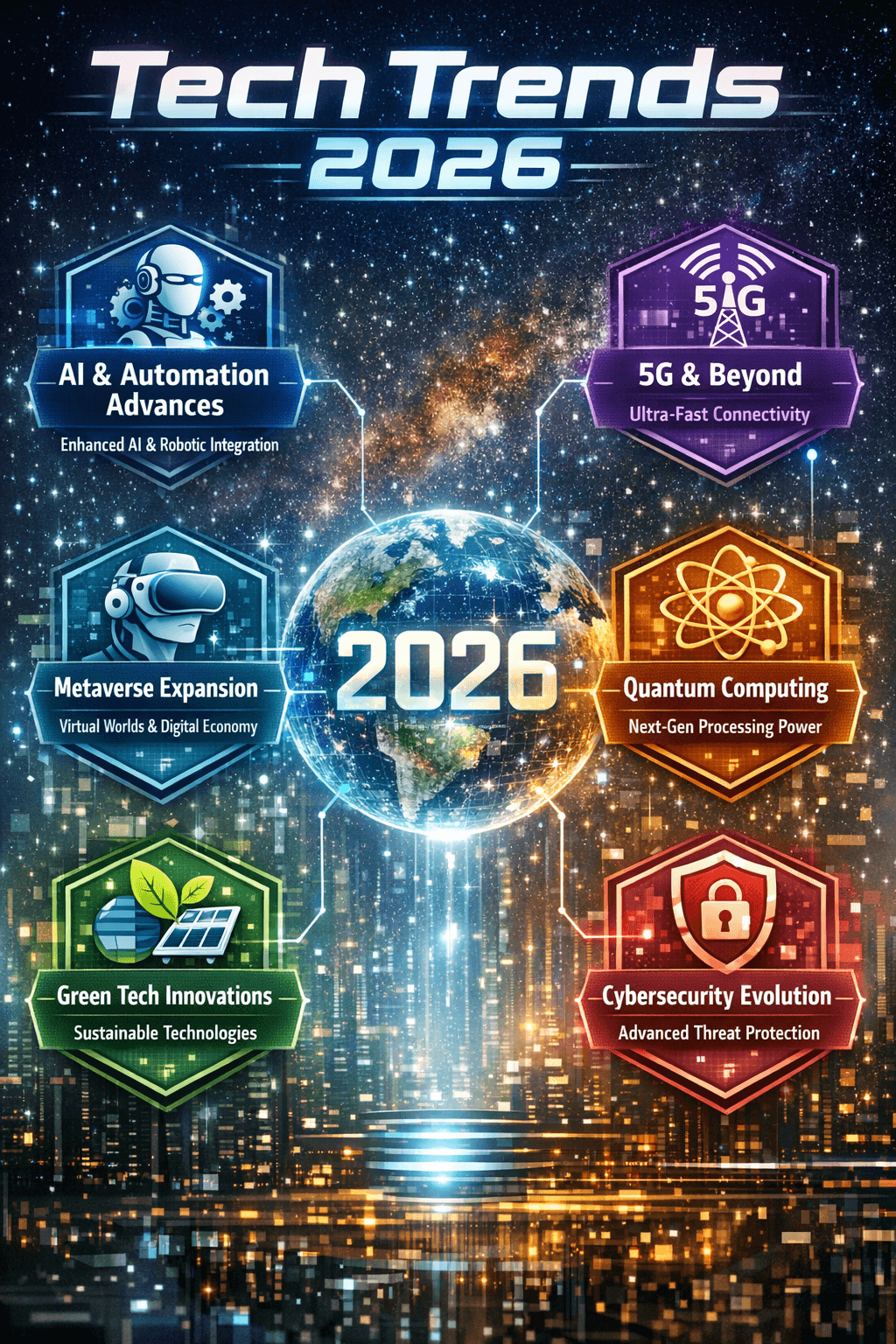
We stand at a unique moment in technological history: breakthroughs are happening simultaneously across domains, creating compound effects. AI is no longer a tool—it’s becoming the user. Quantum computing is escaping the lab. And the internet is evolving into something immersive and decentralized. These aren’t incremental updates; they represent foundational shifts. Here are the top 10 technology trends that will define 2026 and set the stage for the rest of the decade.
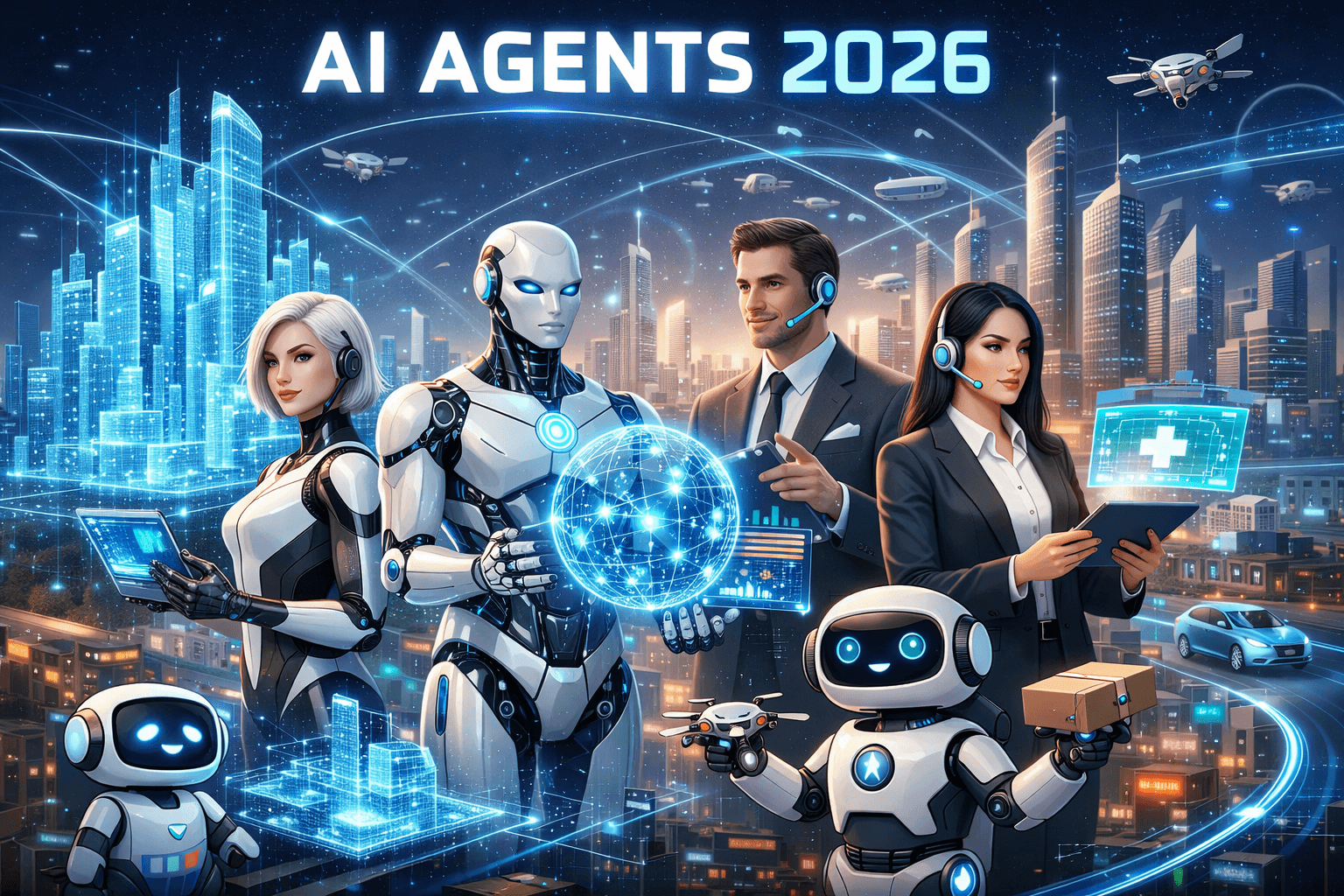
1. Autonomous AI Agents: From Assistants to Executors
Generative AI moved from chatbots to agents that can independently execute complex tasks. In 2026, AI agents negotiate contracts, manage supply chains, and even code entire applications with minimal human oversight.
Multi‑agent systems – Teams of specialized agents collaborate, dividing tasks like research, drafting, and verification. Tool use – Agents now seamlessly use APIs, browse the web, and operate software just as humans would. Memory & personalization – Persistent memory allows agents to learn user preferences and improve over time.
2. Quantum Computing Goes Commercial
After years of hype, quantum computing is delivering real‑world value in 2026. Error‑corrected qubits and hybrid classical‑quantum architectures are solving problems in drug discovery, materials science, and logistics that were previously impossible.
Quantum‑as‑a‑service – Major cloud providers offer accessible quantum computing resources. Post‑quantum cryptography – Organizations are migrating to quantum‑safe encryption ahead of “Q‑Day.” Breakthroughs in chemistry – Quantum simulations accelerate battery and pharmaceutical development.
Real‑world impact
In 2026, the first drugs discovered with quantum‑assisted simulation enter Phase II trials, slashing development time by 40%.
3. Web4: The Intelligent, Spatial Internet
Web3 focused on decentralization; Web4 adds AI and spatial computing to create an internet that is intelligent, context‑aware, and immersive. It’s not just about owning your data—it’s about experiencing the web as an extension of reality.
Spatial browsing – Websites and applications exist in 3D spaces accessible via AR/VR glasses. AI‑curated content – Every user sees a uniquely generated interface based on intent and context. Decentralized identity – Self‑sovereign identity enables seamless authentication across virtual and physical worlds.
Pro Tip
👉 Watch for: The first mass‑market AR glasses (under $500) arrive in late 2026, making spatial computing mainstream.
4. Green Computing & Sustainable Tech
As AI and data centers consume vast energy, the industry is racing toward carbon‑negative operations. In 2026, sustainability is a core design principle, not an afterthought.
| Innovation | Impact | Adoption Outlook |
|---|---|---|
| Liquid immersion cooling | Reduces data center energy use by up to 40% | Mainstream in hyperscale centers |
| Carbon‑aware computing | Workloads shift to times/locations with clean energy | Standard in cloud platforms |
| Bio‑based electronics | Biodegradable circuit boards reduce e‑waste | Early adoption in consumer devices |
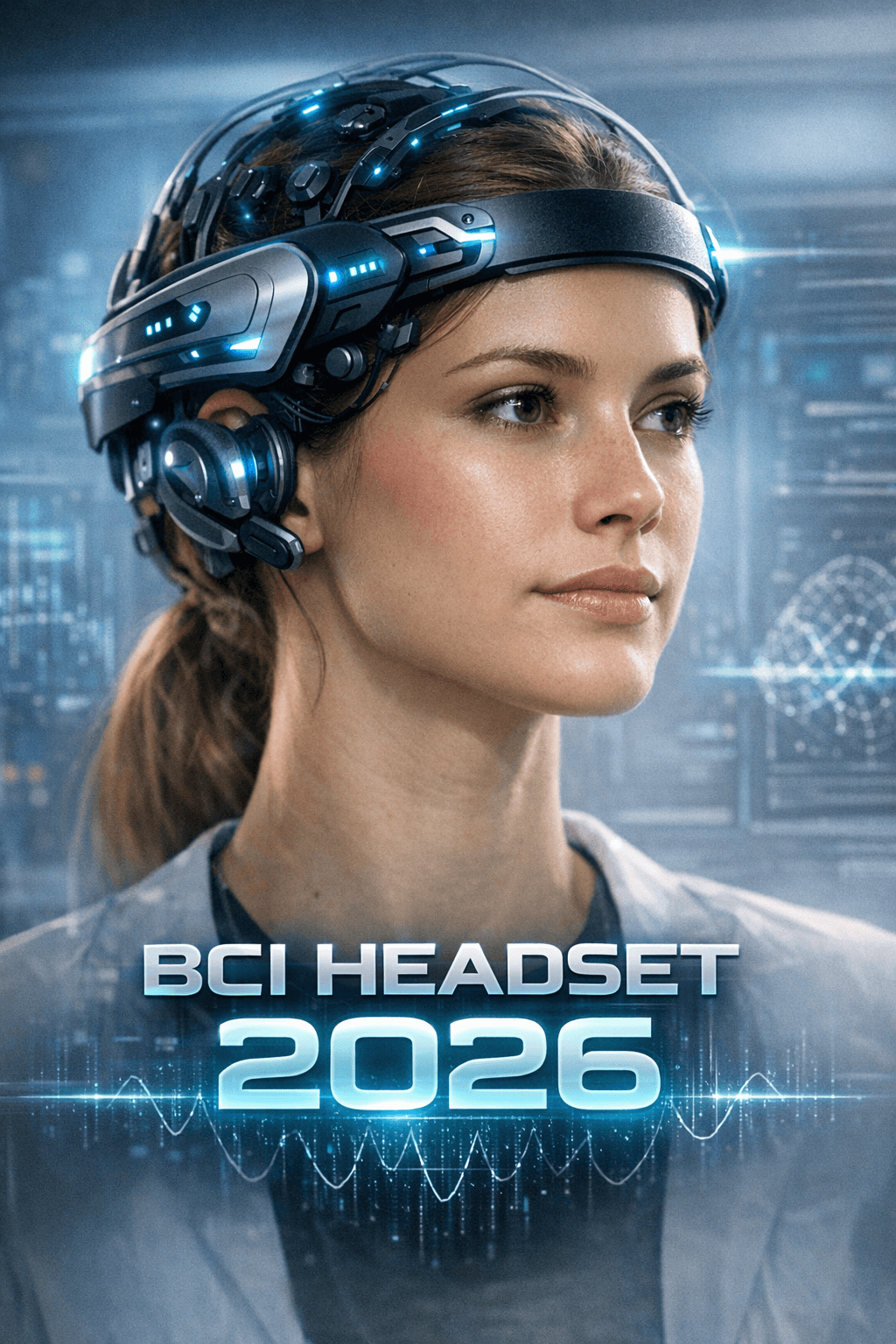
5. Brain‑Computer Interfaces (BCIs) Move to Consumer
Once confined to medical applications, non‑invasive BCIs are entering consumer markets. Think control of devices with thought, enhanced memory, and even neural typing for the able‑bodied.
Wearable EEG headsets – Used for gaming, productivity, and mental wellness. Neural prosthetics – Advanced prosthetics with sensory feedback become affordable. Ethical frameworks – Governments establish guidelines for neural data privacy.
6. Autonomous Mobility: Beyond Robotaxis
Autonomous vehicles have expanded from cars to drones, ships, and even last‑mile delivery robots. In 2026, the first fully autonomous long‑haul trucks operate without safety drivers on dedicated routes.
Urban air mobility – Electric vertical takeoff and landing (eVTOL) aircraft begin commercial service in several cities. Autonomous logistics – Warehouses use fully autonomous fleets for inbound/outbound operations. Regulatory harmonization – International standards for autonomous vehicle safety accelerate deployment.
7. Generative Biology & AI‑Designed Therapeutics
AI isn’t just analyzing biology—it’s generating it. From novel proteins to entire gene sequences, generative biology is unlocking cures for diseases previously considered undruggable.
De novo protein design – AI creates entirely new enzymes and antibodies. Personalized mRNA vaccines – Tailored cancer vaccines become a reality. Cell‑free biomanufacturing – Production of complex molecules without living cells speeds up development.
💡 Breakthrough: In 2026, the first AI‑generated therapeutic enters Phase III trials, compressing the typical 10‑year timeline to under 3 years.
8. Edge AI: Intelligence at the Source
Instead of sending data to the cloud, AI models run directly on devices. This reduces latency, enhances privacy, and enables new use cases like real‑time translation, predictive maintenance, and on‑device computer vision.
Neural processing units (NPUs) – Standard in smartphones, laptops, and IoT devices. Federated learning – Models improve from decentralized data without raw data ever leaving the device. TinyML – AI models run on microcontrollers, enabling smart sensors in everything from agriculture to industrial machinery.
9. Digital Twins for Everything
Digital twins—virtual replicas of physical assets—are expanding from industrial equipment to entire cities, supply chains, and even human organs. They enable simulation, prediction, and optimization at unprecedented scale.
City‑scale twins – Urban planners simulate traffic, pollution, and energy use. Human digital twins – Personalized models predict drug responses and disease progression. Supply chain twins – Real‑time optimization of global logistics under disruption.
10. Post‑Quantum Cryptography & Digital Sovereignty
With quantum computers threatening current encryption, governments and enterprises are accelerating the shift to post‑quantum cryptography (PQC). At the same time, digital sovereignty—control over data and infrastructure—is reshaping global tech policy.
NIST PQC standards – Finalized standards drive mass migration of critical infrastructure. Data residency laws – Over 100 countries now require local data storage for sensitive information. Decentralized cloud – Emergence of sovereign cloud providers offering jurisdiction‑specific data control.
Warning
❌ **Urgency:** The “harvest now, decrypt later” threat means organizations must begin PQC migration immediately to protect data that needs long‑term confidentiality.
Conclusion: The Interplay of Trends
No trend exists in isolation. AI agents will be powered by quantum‑enhanced models, running on edge devices, interacting with digital twins, and secured by post‑quantum cryptography. The convergence creates exponential opportunities—and new risks. Staying informed and adaptable is the only way to thrive in this accelerated era.
💡 Final Insight: The organizations that succeed in 2026 won’t be those that adopt every trend, but those that strategically align a few to their core mission.
🔮 **Stay Ahead of the Curve** – Subscribe to our weekly tech trends newsletter to get deep dives into each of these topics, plus exclusive interviews with industry leaders. [Subscribe for free](/subscribe-tech-trends).
Share This Article
📤 Share This